
Doctor of Medical Science (DMSc)
November 7, 2014 2026-05-22 16:31Doctor of Medical Science (DMSc)
Advance Your Physician Associate Career
Doctor of Medical Science (DMSc)
For the PA innovator, leader, and decision-maker.
100% Online
6-12 Months
3 Tracks
Doctor of Medical Science (DMSc)
The Doctor of Medical Science (DMSc) at the University of Lynchburg is a flexible, career-advancing degree designed by PAs, for PAs. Whether you’re a recent graduate, a practicing clinician, an international PA, or a leader aiming to specialize, you can choose from three dynamic track options so you can tailor your DMSc experience to your goals, schedule, and interests.
As the demand for PAs grows, so does the need for their leadership in healthcare policy, administration, education, and innovation. With our fully online program, you’ll gain the skills to lead, educate, and elevate the PA profession—on your terms.
Three Flexible DMSc Tracks to Fit Your Career Goals
To help you get the most out of your DMSc, the University of Lynchburg offers three flexible track options—each delivering a high-impact education that prepares you to lead in today’s evolving healthcare landscape.
Doctor of Medical Science Core
The Fastest & Most Affordable Path to Your Doctorate
Designed for those who have completed an accredited PA program, or international students with a PA equivalent degree, the DMSc Core track grants you 12 credit hours for prior academic professional experience. This allows you to complete your DMSc in six months (two academic semesters, or four 8-week terms.)
With 25 credit hours of focused coursework in healthcare leadership, administration, and advocacy, the DMSc Core track is ideal for early-career PAs, as well as international professionals seeking a streamlined path to a doctoral credential without a specialization. It’s a smart, strategic choice for those looking to elevate their role quickly and affordably.
Doctor of Medical Science Plus (DMSc+)
Customize Your Degree with Electives or Certificates
Take the DMSc Core experience to the next level by adding elective courses or choosing from one of our specialized DMSc certificates. This option is ideal for professionals who want a broader academic experience or wish to explore niche areas without fully committing to a specialty concentration.
The University of Lynchburg offers 17 DMSc Certificates in cutting-edge and in-demand fields to enhance your doctorate:
- Addiction Medicine
- Artificial Intelligence (AI) in Healthcare
- AI Strategy and Leadership
- Critical Care
- Emergency Medicine
- Executive Leadership
- Extreme Medicine
- Healthcare Administration and Management
- Healthcare Entrepreneurship
- Healthcare Law
- Hospital Medicine
- Humanitarian Medicine
- Integrated Medicine
- Medical Education
- Medical Science Liaison & Medical Affairs
- Obesity Medicine
- Psychiatry
Doctor of Medical Science Specialty
The Original, In-Depth Lynchburg DMSc Experience
Go deeper into a specialized area of practice with the DMSc Specialty Track—the original program that set the national standard for PA doctoral education.
This track does not award credit for prior academic or professional experience—every student completes a full 37 credit hours of advanced coursework. What sets the Specialty Track apart is its strong emphasis on focused development in critical areas of healthcare.
Choose from one of our specialty concentrations:
- Advanced Professional Practice
- Emergency Management and Global Health
- Lifestyle Medicine
- Medical Education
- Psychiatry
This rigorous track is designed for PAs who want to become recognized leaders and subject matter experts within their specialty. By diving deeply into a targeted concentration, you gain the knowledge, skills, and credentials to take on advanced clinical roles, lead departments, shape healthcare systems, and influence policy.
The Specialty Track provides an exceptional opportunity to build a scholarly foundation that reflects your career aspirations and passion, making it an excellent fit for seasoned professionals, clinical educators, or those pursuing long-term leadership and academic roles.
Lynchburg’s DMSc is the start of your journey toward not just success, but significance.
Our goal is to empower you with the skills, education, and professional status required to excel in medical research, build and lead healthcare teams, and play a pivotal role in shaping the future of healthcare from the boardroom.

Enhanced Leadership Skills
Greater Policy Influence
Expertise in Desired Specialties

Entrepreneurship Opportunities

Academic and Research Advancements
Why Lynchburg?
The mission of the Lynchburg DMSc program is to educate postgraduate PAs to advance their current compassionate healthcare delivery while emphasizing clinical proficiency, executive-level leadership, and scholarship.
Lynchburg’s program merges the strength of real-world clinical experience with academic rigor and innovation. By choosing Lynchburg’s DMSc program, you’re immersing yourself in a transformative educational environment guided by experienced faculty, rooted in a learner-centric approach, and bolstered by the most current research and clinical information.
The University of Lynchburg defined what the first civilian DMSc program could be, and we’re thrilled to lead the way in making a mark on healthcare advancement.
Certificate Programs
Expand your expertise with Lynchburg’s doctorate-level certificates. Complete a certificate on its own or as part of your DMSc through the flexible DMSc+ track.
Choose from 17 certificate options:
- Addiction Medicine
- Artificial Intelligence (AI) in Healthcare
- AI Strategy and Leadership
- Critical Care
- Emergency Medicine
- Executive Leadership
- Extreme Medicine
- Healthcare Administration and Management
- Healthcare Entrepreneurship
- Healthcare Law
- Humanitarian Medicine
- Medical Education
- Medical Science Liaison & Medical Affairs
- Obesity Medicine
- Psychiatry
Our programs open up new career avenues. We are the only DMSc program to offer this variety of additional certifications. You can also complete additional certificates once you’ve completed your Doctor of Medical Science.
Comprehensive DMSc Specialty Concentrations
Lynchburg’s DMSc Specialty track is the only DMSc program that offers such a diverse range of concentrations designed to align with your career aspirations.
- Advanced Professional Practice
- Emergency Management and Global Health
- Lifestyle Medicine
- Medical Education
- Psychiatry
Whichever concentration you choose, we can help you design a personalized plan of study to fit your career goals.
Continuing Medical Education Credits
Up to 120 Category I AAPA CME credits are available when you complete the Doctor of Medical Science program.
Earn up to 20 AAPA Category 1 CME credits in each certificate course/ 60 credits for each certificate.
Flexibility
The University of Lynchburg offers the nation’s most flexible Doctor of Medical Science (DMSc) program—designed to fit your career goals, schedule, and interests.
Choose from three distinct tracks: the
- DMSc Core track for a fast, affordable path to your degree.
- DMSc+ track to personalize your experience with electives or certificates.
- DMSc Specialty track for an in-depth focus in a specific area of practice.
No matter which path you choose, you’ll earn a high-impact doctorate built for working PAs like you, ready to lead in today’s evolving healthcare landscape.
Immersive Research
Stand out with our doctoral research project, providing the knowledge, skills, and research proficiency necessary to contribute to medical advancements and publish in scholarly journals, enriching your professional credentials.
Published research from our DMSc alumni includes:
Lynchburg Journal of Medical Science
Lynchburg JMS is a peer-reviewed clinical journal supported by the University of Lynchburg, School of Medicine and Health Sciences, Doctor of Medical Science program and the Knight-Capron Library. The mission of the JMS is to support the ongoing education and advancement of physician associates/assistants (PAs) and other healthcare professionals by publishing current information and research on clinical, health policy, and professional issues. The journal focuses on doctoral trained PAs and encourages submission of doctoral-level projects from other doctoral health professions programs.
Nationally Recognized Faculty
Our diverse, dedicated, nationally recognized PA faculty bring relevant experience in the medical and scientific research fields.
Our award-winning faculty hail from urban, suburban, and rural settings all over the country. Many are published authors and donate their spare time to overseas medical missions and nonprofit work.
Their ranks include:
- Epidemiologist
- Federal investigator
- Lawyer
- Medical examiner
- Retired military personnel
- Wilderness survival expert
They specialize in:
- Dermatology
- Emergency medicine
- Family medicine
- Global health
- Neuroscience
- Orthopedic surgery
- Psychiatry
2,000+ DMSc Alumni
The Lynchburg DMSc program has the largest PA doctoral program network in the country.
Alumni include:
- Jonathan Sobel, past president of the AAPA
- Beth Smolko, past president of the AAPA
- Kathryn Schisler, 2023 president of the APALM
- Lee Morissette, 2023 Director at Large APALM
- James Millward, Vice President PA Foundation Board of Trustees
- Jeremy Adler, Chief Operating Officer
- Bobby Cockram, Inova System APP Director
Doctor of Medical Science Specialty Concentrations
The DMSc Specialty track allows you to complete 37 credit hours of focused study in one of the below specialty concentration areas.
Advanced Professional Practice Concentration
As the demand for PAs increases, so should their influence in clinical and administrative leadership. Healthcare is changing rapidly, and PAs are an essential part of its future. PAs are well-educated and trained in all areas of healthcare, and now, more than ever, PAs are seeking advanced clinical and administrative roles across the healthcare system. Lynchburg’s DMSc prepares PAs to have an active voice in decision-making that impacts their profession, their patients, and the future of the healthcare system.
Lynchburg’s DMSc Advanced Professional Practice degree concentration offers PAs didactic and practical learning experiences in leadership, scholarship, and professional development. This degree pathway is built for PAs practicing in any clinical specialty. The curriculum includes specific didactic coursework in a desired specialty, as well as education in leadership, research, healthcare law, and healthcare advocacy. This also includes a doctoral writing project that gives PAs the knowledge, experience, and skills needed to publish in scholarly journals and deliver presentations.
The 12-month DMSc program can be completed simultaneously while you work as a PA. It fits into the life you’ve already created for yourself, regardless of where you are in your career or the world.
“NOAA brought me in to develop the Aerospace Medical Department; everything I have learned academically in the DMSc I have been able to apply directly and immediately to my current position. I used the methods I learned in my first semester of the DMSc program to develop a viral surveillance protocol, and the protocol is being used for NOAA pilots and air crew.”
-Joe Newcomb ’21 DMSc, PA-C
DMSc Advanced Professional Practice Concentration Curriculum
The coursework includes two main areas of focus to support professional development for PAs in clinical practice and nonclinical healthcare-related roles:
- Leadership development in administration, organizational behavior, healthcare regulation, global health, and disaster medicine occurs in the PA 910, PA 920, PA 930, PA 940, and PA 950 courses.
- Engagement in scholarly work that occurs in the PA 960 and PA 961-963 courses.
Student Learning Competencies
Upon completion of the Lynchburg DMSc Advanced Professional Practice program, graduates will be able to:
- Integrate educational and professional experiences, communicate at an advanced academic level, create organized self-learning plans, and critically appraise research.
- Analyze skills needed to provide leadership at local and global healthcare institutions.
- Design, develop, and execute projects that improve patient outcomes.
- Develop professional medical writing skills to advance the PA profession
*DMSc students who are in nonclinical health-related fields will focus on administrative competencies of Leadership, Business, Healthcare Environment, Professionalism, and Communication and Relationship Management.
Advanced Professional Practice Program Completion
Students commonly work full-time in a clinical setting or a nonclinical health-related role (e.g., Administration or Medical Science Liaison) to complete the APP Practicum courses. PAs who are professionally engaged at least 160 hours per eight-week term focused on clinical and/or healthcare administrative activities are eligible for enrollment and completion of the APP degree concentration.
Emergency Management and Global Health Concentration
The world needs you.
PAs are especially suited to be frontline providers during emergencies and global disasters, as evidenced by the response demonstrated during the COVID-19 crisis. PAs are essential to increased access to care. With the training available through the DMSc-EMGH specialty concentration, you can successfully initiate and manage local, national, and global disaster response in all settings.
The EMGH Concentration within the DMSc provides PAs access to didactic and active learning in emergency preparedness and global response to disasters, regardless of clinical or professional background. Our faculty are nationally known experts in disaster preparedness/response, emergency management, military medicine, tactical preparedness, and global health. As a DMSc student, you will have direct access to their knowledge and expertise to build on your skills and experience.
“When you become a PA, you always know that the possibility of a disaster exists. In my Disaster Medicine course, I learned how to look at a situation and figure out what needs to be done!”
– Dr. Daniela Garza ’20 DMSc, PA-C
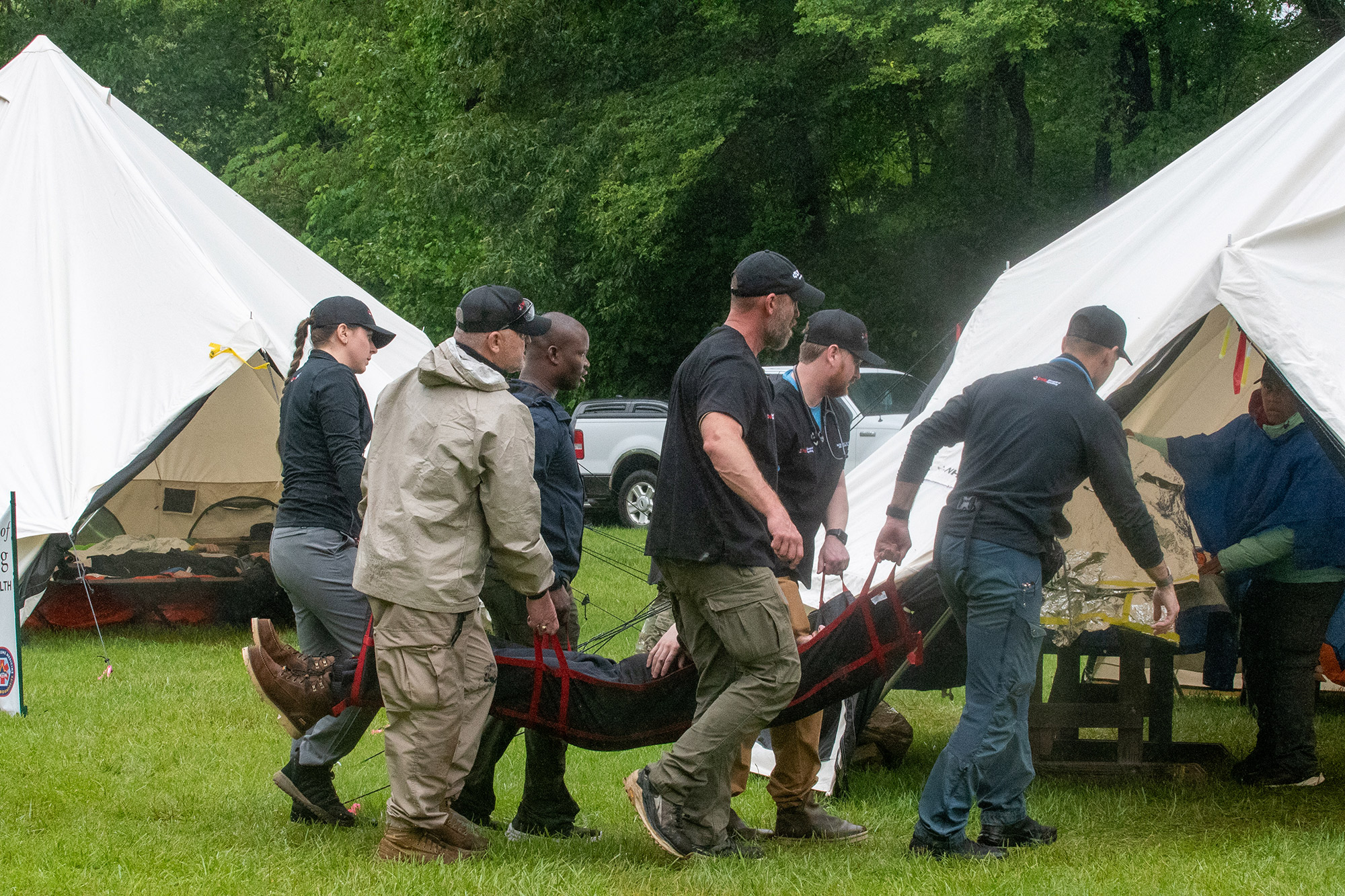
Designed with flexibility in mind, most coursework is delivered online and asynchronously. To fulfill the experiential component of the program, you have two options, attending a global humanitarian mission or completing a 7-day intensive in Virginia.
The global humanitarian mission offers transformative experiences in countries such as Mexico, the Dominican Republic, Panama, Uganda, Tanzania, or Peru. These missions provide invaluable hands-on practice in extreme medicine, enabling you to make a meaningful impact on underserved communities. Alternatively, the 7-day intensive in Virginia is an immersive disaster response exercise emphasizing wilderness and disaster medicine.
Through the program you’ll also have the opportunity to earn the International Board of Disaster Medicine (IBODM) Certification and the Wilderness Life Support: Medical Professional (WLS:MP) certification.
Student Learning Outcomes
Upon completion of the Lynchburg DMSc – Emergency Management and Global Health Concentration, graduates will be able to:
- Integrate educational and professional experiences, communicate at an advanced academic level, create organized self-learning plans, and critically appraise research.
- Integrate knowledge of leadership and management principles for local, national, and international emergency and disaster response
- Design and implement projects that improve patient outcomes in austere and remote locations
- Create professional and scholarly written communications
Lifestyle Medicine
The Lifestyle Medicine Concentration within the University of Lynchburg’s Doctor of Medical Science (DMSc) program prepares you to deliver innovative, whole-person healthcare that addresses the root causes of disease and empowers patients to take control of their health.
Grounded in evidence-based practices, this concentration explores the intersection of clinical medicine and sustainable health behaviors — empowering you to address chronic disease, promote wellness, and drive patient-centered change at both the individual and community level.
Through coursework in nutrition, sleep medicine, pain management, integrative medicine, and healthcare advocacy, you’ll gain a comprehensive understanding of how lifestyle factors intersect with disease prevention and health optimization.
Medical Education Concentration
With over 300 PA programs currently operating in the U.S., more and more PAs are finding themselves in the classroom instead of the clinic. Many PAs who are on faculty have excellent medical training; however, creating active learning sessions, preparing for accreditation, and engaging students are now skills they rely upon daily.
The University of Lynchburg’s DMSc Medical Education Concentration was designed to give PA faculty the skills to succeed in academia. The curriculum aligns with the PA educator’s competencies outlined by PAEA: teaching, learner-centeredness, communication skills, professionalism and role-modeling, program and curriculum design and implementation, program evaluation, scholarship development, leadership, and mentorship. Students can complete the degree in 12 or 15 months.
“I have found the program material to be especially relevant and beneficial to me beyond my expectations. The knowledge I am gaining in the DMSc program has had a direct impact on my influence as a program director and faculty member.”
– Ami Steele ʼ20 DMSc, PA-C, DFAAPA
DMSc Medical Education Concentration Curriculum
The coursework includes three main areas of focus to support PA educators’ professional development:
- Faculty development in creating instruction, student assessment, advising, course directing, curriculum development, and accreditation occurs in the PA 990, PA 991, and PA 992 courses.
- Engagement in scholarly work occurs through the PA 960 Evidence-Based Medicine and PA 966 Doctoral Project course.
- Application of doctoral coursework to the individual’s work setting occurs via the Medical Education Practicum course series.
Student Learning Competencies
Upon completion of the Lynchburg DMSc Medical Education Concentration, graduates will be able to
- Integrate educational and professional experiences, communicate at an advanced academic level, create organized self-learning plans, and critically appraise research.
- Design, develop, and execute projects that improve student learning outcomes, program curriculum or operations, and accreditation compliance or program self-assessment.
- Develop professional medical writing skills to advance the PA profession.
DMSc students commonly work full-time in PA education to complete the Medical Education Practicum courses. However, you do not have to be in PA Education full-time to enroll in the Medical Education Concentration. The Medical Education Concentration is open to aspiring educators, preceptors, adjunct faculty, and full-time clinicians. PAs who spend 160 hours per eight-week term focused on educational activities are eligible for enrollment and completion of the Medical Education Concentration.
If you are a PA who does not meet those requirements but is interested in PA Education, consider enrolling in the Medical Education Certificate. This 3-course certificate is designed to allow clinically practicing PAs or current doctorally-educated PA faculty the option to complete doctoral-level coursework designed to meet their development needs.
Psychiatry Concentration
The University of Lynchburg Doctor of Medical Science psychiatry concentration is specifically tailored for PAs engaged in behavioral medicine as well as those operating in other medical fields. This comprehensive program entails 37 credit hours, inclusive of crucial courses such as evidence-based medicine and the doctoral project, allowing full-time students to complete the degree within five terms or 12 months.
Our curriculum places a strong emphasis on key areas related to mental health disorders. It delves into understanding the contributing factors to these disorders and explores the future trajectory of psychiatry. As part of this program, students will hone critical thinking and clinical skills.
Designed to accommodate both those already immersed in the psychiatry field and those venturing from other medical domains, the track offers personalized levels of study. By doing so, it aims to challenge and enrich the knowledge of graduate students.
Graduates from this track are equipped to pursue the Psychiatry Certificate of Added Qualifications which prepares graduates for roles in behavioral medicine at both executive and clinical levels and assume leadership positions in the field. The program is structured to provide a comprehensive and nuanced understanding of psychiatry, fostering the development of skills and knowledge necessary for success in a dynamic and evolving healthcare landscape.
Student Learning Outcomes:
Upon completion of this program, graduates will be able to:
- Integrate educational and professional experiences, communicate at an advanced academic level, create organized self-learning plans, and critically appraise research.
- Design, develop, and execute clinical care that improves outcomes for patients seeking behavioral health care.
- Develop professional medical writing skills to advance the PA profession.
Curriculum and Resources
As the demand for PAs increases, so should their role in administration and leadership.
Healthcare is changing rapidly and PAs are an essential part of its future. The DMSc makes you a better advocate for the PA profession and prepares you for a place at the boardroom table, where you can make decisions that impact your career, your patients, and the future of healthcare.
The Lynchburg DMSc offers PAs education in executive leadership, research, healthcare law, and global health. The program includes a doctoral project that gives PAs the knowledge, experience, and skills needed to publish original research in scholarly journals.
The DMSc program can be completed simultaneously while you work as a PA. It fits into the life you’ve already created for yourself, regardless of where you are in your career or the world.
2026-27 Academic Year Information
Doctor of Medical Science Core Curriculum
DMSc Core Curriculum
- PA 910: Organizational Behavior and Leadership (3 credits)
- PA 916: Healthcare Advocacy (3 credits)
- PA 925: Healthcare Systems (3 credits)
- PA 929: Doctoral Seminar (4 credits)
- PA 950: Healthcare Law (3 credits)
- PA 960: Evidence-based Medicine (4 credits)
- PA 965: Doctoral Project I (4 credits)
- PA 966: Doctoral Project II (4 credits)
- PA 997: Ethics and Regulation of AI (3 credits)
International PA DMSc Core Curriculum
The International PA curriculum for the Doctor of Medical Science program at the University of Lynchburg is tailored to the professional needs of internationally trained Physician Associates/Physician Assistants.
- PA 910: Organizational Behavior and Leadership (3 credits) or PA 920: Healthcare Administration (3 credits)
Students can choose one or the other leadership course per the course catalog - PA 925: Healthcare Systems (3 credits)
- PA 926: Medical Ethics (3 credits)
- PA 929: Doctoral Seminar (4 credits)
- PA 940: Global Health Issues (3 credits)
- PA 960: Evidence Based Medicine (4 credits)
- PA 965: Doctoral Project I (4 credits)
- PA 966: Doctoral Project II (4 credits)
Doctor of Medical Science Plus (DMSc+) Curriculum
DMSc+ Curriculum
- PA 910: Organizational Behavior and Leadership (3 credits)
- PA 916: Healthcare Advocacy (3 credits)
- PA 925: Healthcare Systems (3 credits)
- PA 929: Doctoral Seminar (4 credits)
- PA 950: Healthcare Law (3 credits)
- PA 960: Evidence-based Medicine (4 credits)
- PA 965: Doctoral Project I (4 credits)
- PA 966: Doctoral Project II (4 credits)
- PA 997: Ethics and Regulation of AI (3 credits)
and
Elective courses of choice or predetermined certificate courses. Visit the DMSc Certificate pages for certificate courses.
International PA DMSc+ Curriculum
The International PA curriculum for the Doctor of Medical Science program at the University of Lynchburg is tailored to the professional needs of internationally trained Physician Associates/Physician Assistants.
- PA 910: Organizational Behavior and Leadership (3 credits) or PA 920: Healthcare Administration (3 credits)
Students can choose one or the other leadership course per the course catalog - PA 925: Healthcare Systems (3 credits)
- PA 926: Medical Ethics (3 credits)
- PA 929: Doctoral Seminar (4 credits)
- PA 940: Global Health Issues (3 credits)
- PA 960: Evidence Based Medicine (4 credits)
- PA 965: Doctoral Project I (4 credits)
- PA 966: Doctoral Project II (4 credits)
and
Elective courses of choice or predetermined certificate courses. Visit the DMSc Certificate pages for certificate courses.
Advanced Professional Practice Curriculum (DMSc Specialty Concentration)
or
Emergency Management and Global Health Curriculum (DMSc Specialty Concentration)
- PA 930: Disaster Medicine (3 Credits)
- PA 931: Survival Medicine (3 Credits)
- PA 932: Emergency and Disaster Management Principles and Practice (3 Credits)
- PA 940: Global Health Issues (3 Credits)
- PA 941: Clinical Issues in Infectious Disease (3 Credits)
- PA 942: Social and Behavioral Issues in Global Health (3 Credits)
- PA 960: Evidence-Based Medicine (4 credits)
- PA 965: Doctoral Project I (4 Credits)
- PA 966: Doctoral Project II (4 credits)
- PA 986: Emergency Management & Global Health Practicum I (2 Credits)
- PA 987: Emergency Management & Global Health Practicum II (2 Credits)
- PA 988: Emergency Management & Global Health Practicum III (3 Credits)
Lifestyle Medicine Curriculum (DMSc Specialty Concentration)
- PA 916: Healthcare Advocacy (3 credits)
- PA 925: Healthcare Systems (3 credits)
- PA 929: Doctoral Seminar (4 credits)
- PA 950: Healthcare Law (3 credits)
- PA 960: Evidence-based Medicine (4 credits)
- PA 962: Foundations of Lifestyle Medicine (3 credits)
- PA 965: Doctoral Project I (4 credits)
- PA 966: Doctoral Project II (4 credits)
- PA 968: Lifestyle Medicine Approaches to Mind-Body Medicine and Social Connection (3 credits)
- PA 969: Lifestyle Medicine Approaches to Substance Use and Risky Behaviors (3 credits)
- PA 984: Lifestyle Medicine Approaches to Sleep and Stress (3 credits)
- PA 985: Lifestyle Medicine Approaches to Nutrition and Physical Activity (3 credits)
- PA 997: Ethics & Regulation of AI in Healthcare (3 credits)
Medical Education Curriculum (DMSc Specialty Concentration)
- PA 910: Organizational Behavior and Leadership (3 credits) or PA 933: Integrating Technology & Teaching Online
Students can choose one or the other leadership course per the course catalog
- PA 916: Healthcare Advocacy (3 credits)
- PA 929: Doctoral Seminar (4 credits)
- PA 960: Evidence-Based Medicine (4 credits)
- PA 965: Doctoral Project I (4 credits)
- PA 966: Doctoral Project II (4 credits)
- PA 990: Teaching and Learning in PA Education (3 credits)
- PA 991: PA Program Development, Implementation, and Maintenance (3 credits)
- PA 992: PA Program Evaluation and Improvement (3 credits)
Psychiatry Curriculum (DMSc Specialty Concentration)
- PA 916: Healthcare Advocacy (3 credits)
- PA 925: Healthcare Systems (3 credits)
- PA 929: Doctoral Seminar (4 credits)
- PA 950: Healthcare Law (3 credits)
- PA 952: Applied Clinical Psychopharmacology (3 credits)
- PA 955: Evidence-based Psychotherapies and Leadership in Clinical Practice (3 credits)
- PA 956: Adult Clinical Psychiatry I (3 credits)
- PA 957: Adult Clinical Psychiatry II (3 credits)
- PA 958: Child and Adolescent Clinical Psychiatry (3 credits)
- PA 960: Evidence-based Medicine (4 credits)
- PA 965: Doctoral Project I (4 credits)
- PA 966: Doctoral Project II (4 credits)
- PA 997: Ethics and Regulation of AI (3 credits)
Eight-week Term Course Structure
Our DMSc program offers exceptional flexibility through its eight-week, online course structure, which allows students to balance their academics with other commitments. This format enables students to explore specific topics for a shorter duration, gain a comprehensive understanding of those topics, and apply their acquired knowledge in real-world situations. The eight-week course structure provides an efficient and adaptable approach to learning that caters to the diverse needs of our students, allowing them to design their educational journey to fit their lifestyles and goals
DMSc Core Attributes
Lynchburg has designed the Doctor of Medical Science (DMSc) degree to align with the following core attributes of an advanced practice clinical doctorate.
- Degree option: The DMSc degree is the professional degree for PAs who have earned their entry-level PA master’s degree.
- Admission requirements: Prior entry-level PA degree, master’s degree, and active state licensure or certification as a PA are required.
- Curriculum: Integrates application of medical research and course work in leadership and management that develops the PA professional and advances the PA profession.
- Research Component: Focuses on the application of current medical research to the improvement of clinical practice and patient care.
- Professional Alignment: The Lynchburg DMSc degree was created by PAs for PAs based on a needs assessment of the profession and aligning with the overall mission of the Lynchburg Department of PA Medicine.
Application Process for the Lynchburg DMSc Degree
Beginning your journey to a Doctor of Medical Science degree at the University of Lynchburg is a straightforward process. Follow our step-by-step guide to apply to the Lynchburg DMSc program and take the next step in your PA career.
The DMSc program enrolls students on a rolling basis, with five cohorts beginning each year in January, March, June, August, and October.
DMSc Application Deadlines
January Cohort
- Priority deadline: Jan. 1
March Cohort
- Priority deadline: March 10
June Cohort
- Priority deadline: May 15
August Cohort
- Priority deadline: Aug. 1
October Cohort
- Priority deadline: Oct. 5
How to Apply
- Complete the online application.
- Provide a current resume or curriculum vitae detailing educational and professional achievements
- Include a single letter of recommendation from an MD, DO, or PA familiar with the student’s practice
- Admitted students: a $300 non-refundable deposit is required, and will apply to the first semester’s tuition (waived if the application is submitted before the priority application deadline).
If you apply by the priority action deadline, you save your seat in the upcoming cohort, and we’ll waive the $300 deposit fee. This means you can save on expenses and eliminate the need for an upfront deposit when you apply on time.
Admission Requirements
- Earned master’s or doctoral degree from:
- An accredited U.S. institution; or
- From a foreign university based on transcript evaluation completed by an agency from the NACES website.
- Earned certificate or degree from an ARC-PA accredited PA program
- Official transcripts from undergraduate and graduate-level degree-granting institutions
- If the initial PA credential (ARC-PA accredited program) was not from the bachelor’s or master’s-level degree-granting institution, then an additional transcript from the certificate PA program is required
- Transcripts must be received before matriculation.
- Please have transcripts mailed to the University of Lynchburg, Office of Graduate Success, 1501 Lakeside Dr., Lynchburg, VA 24501;
- Or sent through a secure electronic transcript delivery service.
- At least a 3.0 GPA on a 4.0 scale
- Proof of active state licensure and/or NCCPA certification. NCCPA certification must be received before matriculation; NCCPA PA-C Emeritus will also be accepted
- If applicable, you must:
- Meet requirements for graduate student international admissions.
- Complete the Test of English as a Foreign Language (TOEFL). It is required for students whose first language is not English.
- University of Lynchburg code: 5372.
- This program is not an entry-level doctoral program. PAs interested in this program must have completed all their PA professional education, completed a master’s degree from an accredited institution, and passed the National Commission on Certification of Physician Assistants (NCCPA) Physician Assistant National Certifying Exam (PANCE).

Doctor of Medical Science (DMSc) Faculty
Anthony D. Poole ’22 DMSc, PA-C

Blake Rogers ’23 DMSc, PA-C

Bobby Cockram ’20 DMSc, PA-C, DFAAPA
Bryn L. Kroto ’25 DMSc, PA-C
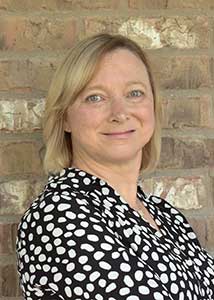
Christina M. Robohm-Leavitt ’20 DMSc, PA-C, DFAAPA
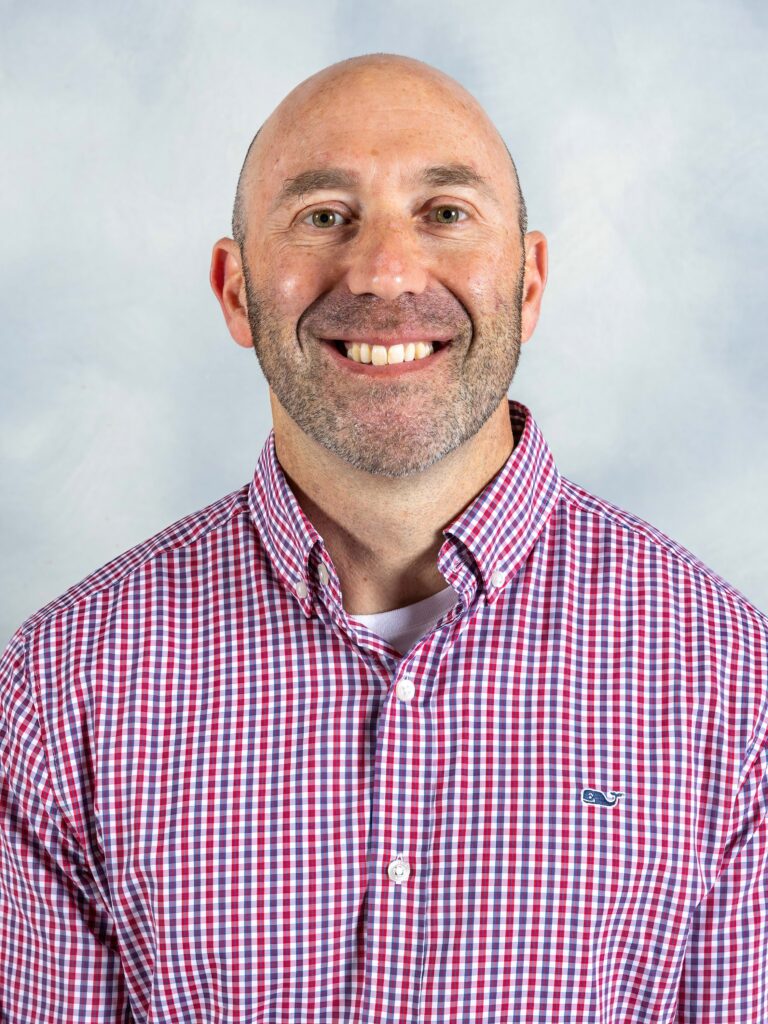
Christopher Cannell DMSc, MPLC, MPAS, PA-C, DFAAPA
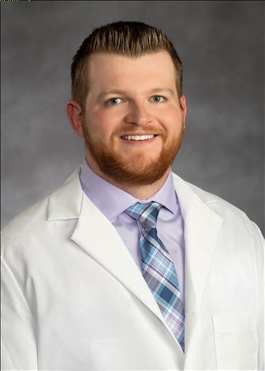
Dakoda Farrington DMSc, PA-C
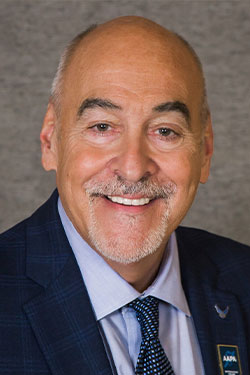
Dave Mittman, DMSc (Hon), PA, DFAAPA

David Andrew Porter ’19 DMSc, PA-C, EM-CAQ, CHFP
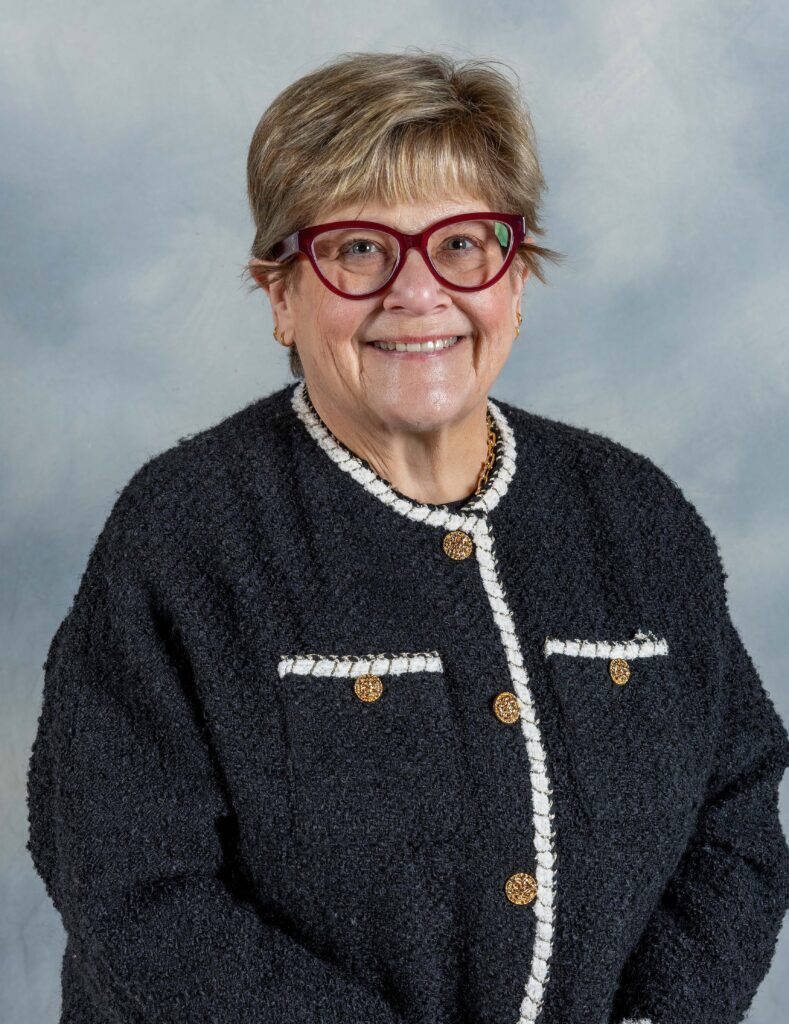
Debra S. Munsell, DHSc, PA-C, DFAAPA

Elijah Salzer ’20 DMSc, PA-C, NYSAFE, C-EFM

Eric Holden, DHSc, PA-C, EMT-P
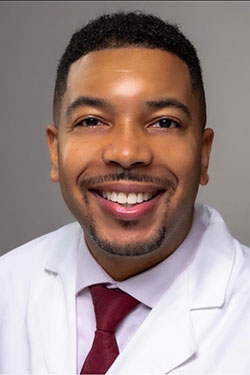
Everett Allen ’22 DMSc, MPH, MHS, PA-C, CAQ-Psych

Frank Caruso ’19 DMSc, PA-C, EMT-P
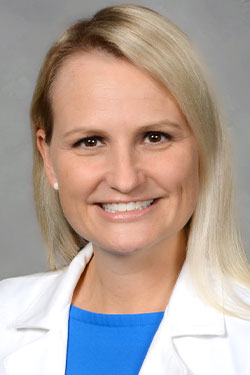
Gabrielle Poole ’21 DMSc, PA-C

Jay C. Somers, DHSc, PA-C, DFAAPA

Jessie Hockett, ’24 DMSc, PA-C

Jon B. Christensen ’22 DMSc, PA-C, CCP-C, TP-C, FAWM, FEWM,...
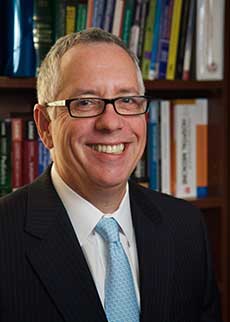
Lawrence Herman ’20 DMSc, PA-C, DFAAPA

Matthew F. Delaney, DMSc, APA-C

Megan E. Fulton, DMSc, PA-C

Mike Cohen, DHSc, JD, PA-C
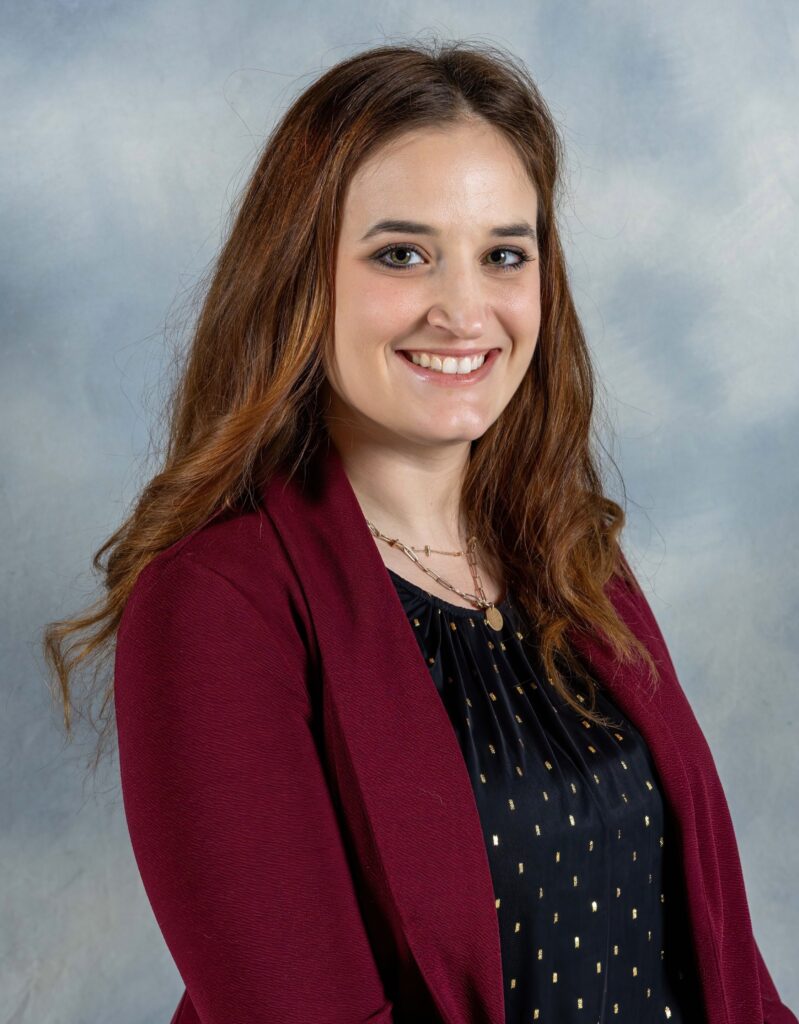
Nikoleta Delis ’22 DMSc, PA-C
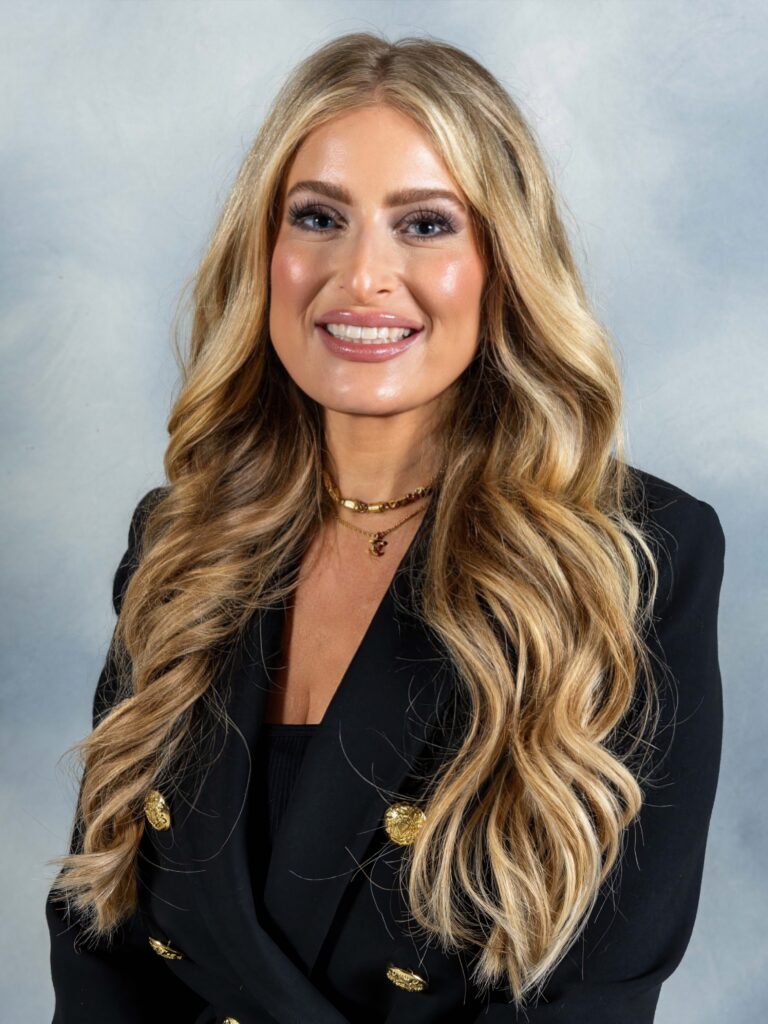
Raquelle Akavan ’24 DMSc, PA-C
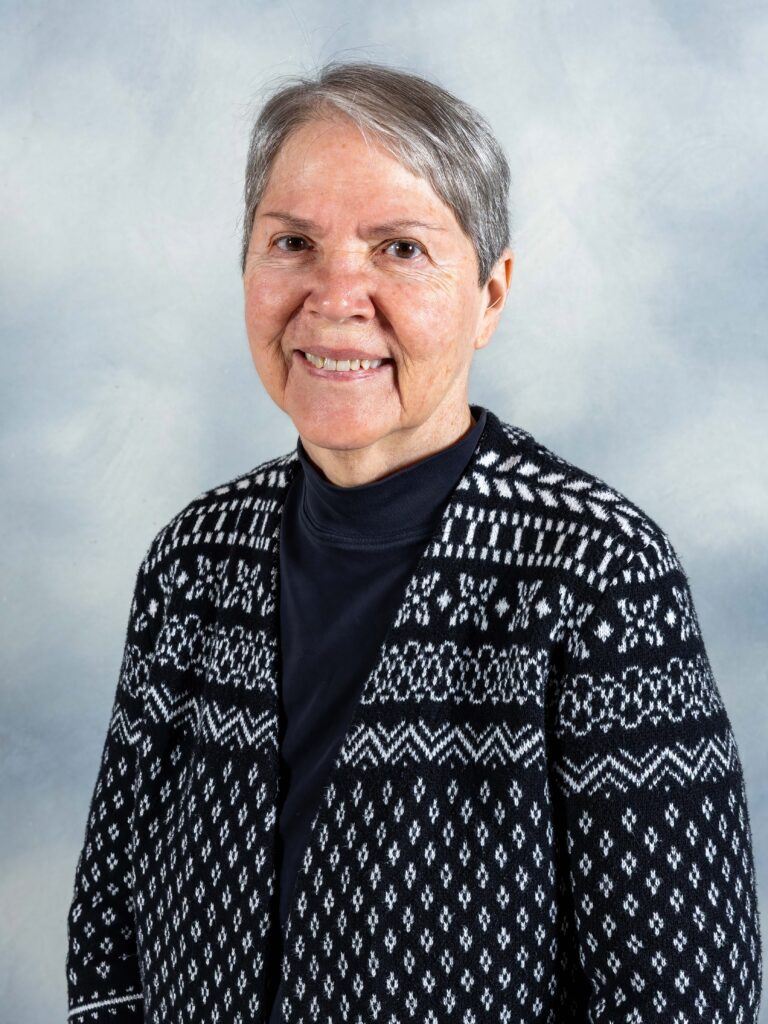
Sandra Keavey, DHSc, PA-C

Sarah Bolander ’20 DMSc, PA-C, DFAAPA

Sonia V. Otte, ’22 DMSc, MMS, PA-C

Stephen Lewia Jr. ’18 MPAM, ’20 DMSc, PA-C, CAQ-EM...

Thiago Queiroz, DMS, PA-C, CAQ-Psych

Thomas Colletti, DHSc, MPAS, PA-C Emeritus, DFAAPA

Vickie Beloy ’22 DMSc, PA-C
Anthony D. Poole ’22 DMSc, PA-C
Blake Rogers ’23 DMSc, PA-C
Bobby Cockram ’20 DMSc, PA-C, DFAAPA
Bryn L. Kroto ’25 DMSc, PA-C
Christina M. Robohm-Leavitt ’20 DMSc, PA-C, DFAAPA
Christopher Cannell DMSc, MPLC, MPAS, PA-C, DFAAPA
Dakoda Farrington DMSc, PA-C
Dave Mittman, DMSc (Hon), PA, DFAAPA
David Andrew Porter ’19 DMSc, PA-C, EM-CAQ, CHFP
Debra S. Munsell, DHSc, PA-C, DFAAPA
Elijah Salzer ’20 DMSc, PA-C, NYSAFE, C-EFM
Eric Holden, DHSc, PA-C, EMT-P
Everett Allen ’22 DMSc, MPH, MHS, PA-C, CAQ-Psych
Frank Caruso ’19 DMSc, PA-C, EMT-P
Gabrielle Poole ’21 DMSc, PA-C
Jay C. Somers, DHSc, PA-C, DFAAPA
Jessie Hockett, ’24 DMSc, PA-C
Jon B. Christensen ’22 DMSc, PA-C, CCP-C, TP-C, FAWM, FEWM,...
Lawrence Herman ’20 DMSc, PA-C, DFAAPA
Matthew F. Delaney, DMSc, APA-C
Megan E. Fulton, DMSc, PA-C
Mike Cohen, DHSc, JD, PA-C
Nikoleta Delis ’22 DMSc, PA-C
Raquelle Akavan ’24 DMSc, PA-C
Sandra Keavey, DHSc, PA-C
Sarah Bolander ’20 DMSc, PA-C, DFAAPA
Sonia V. Otte, ’22 DMSc, MMS, PA-C
Stephen Lewia Jr. ’18 MPAM, ’20 DMSc, PA-C, CAQ-EM...
Thiago Queiroz, DMS, PA-C, CAQ-Psych
Thomas Colletti, DHSc, MPAS, PA-C Emeritus, DFAAPA
Vickie Beloy ’22 DMSc, PA-C

As a Lynchburg DMSc student, you'll:
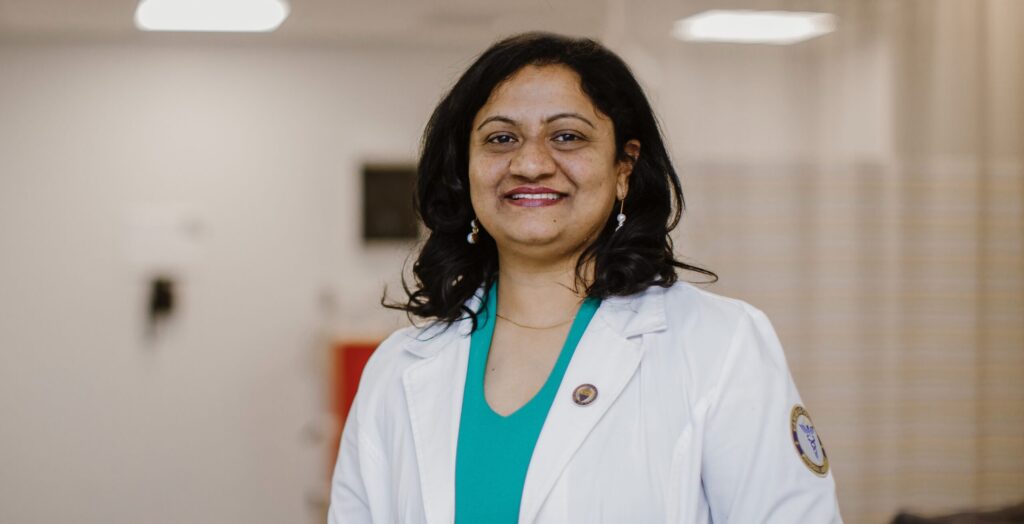
“I want to change the world, one patient at a time, and the DMSc program offers the in-depth learning to help me achieve that goal."
Undeniably Life-Changing Stories



Graduate Tuition
Below is an overview of the cost of the program:
Doctor of Medical Science (DMSc)
-
Credit Hours: 25-37
-
Estimated Cost of Completion: $21,000 (DMSc Core)
-
Estimated Cost of Completion: $31,080
