
What we do
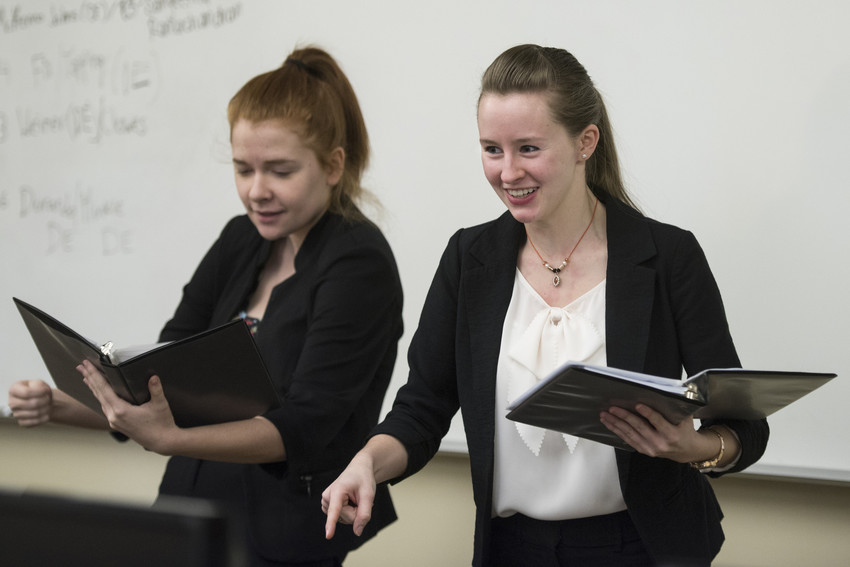
The Debate and Forensics Society offers students the opportunity to travel and compete in inter-collegiate parliamentary debate, Lincoln/Douglas debate, original oratory, interpretive events, and limited preparation events.
How can I benefit?
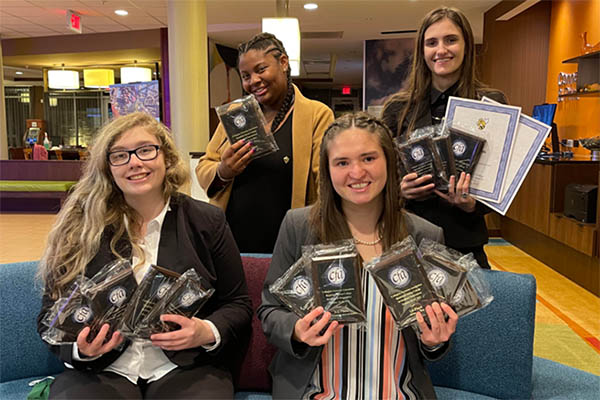
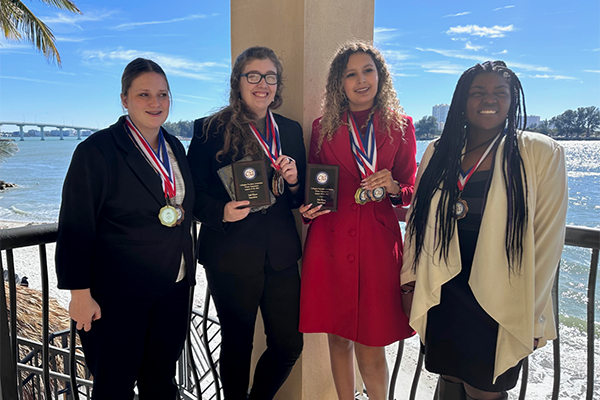
- Be part of a competitive, award-winning team
- Compete in team and individual events
- Interview with Juris Education
- Improve your public speaking abilities
- Hone your argument and reasoning skills
- Meet others who want to be as professional and well-spoken
- Gain confidence in your abilities
- Give back to the community
Competition
Collegiate Forensics Association Tournaments
University of Lynchburg and the Debate and Forensics Society host a collegiate debate and forensics tournament with the Collegiate Forensics Association. Colleges and universities bring several hundred students from all over the east coast to compete in a variety of events including original oratory, dramatic interpretation, and debate. Our own Debate and Forensics Team competes at this tournament. Spectators are welcome so be sure to come out and support our team.
Understanding Competitive Tournamenet Events
A one-person, persuasive, policy debate using traditional stock issues. It is a communication event, by which we mean the philosophy of the activity is consistent with that which governs other individual events. Competitors in Lincoln-Douglas will be evaluated on their analysis, use of evidence and ability to effectively and persuasively organize, deliver and refute arguments. Rapid-fire delivery, commonly called “spread delivery” or sometimes “machine gun delivery,” is considered antithetical to the purpose and intent of this event. Judges are expected to adhere to the judging paradigm published by the National Forensics Association.
Speeches should be pleasant, comprehensible and persuasive in tone, especially since not all judges will have traditional debate experience. Speech delivery and quantity of evidence should not be excessive. Since L-D debate adheres to the communication principles of individual events, judges are encouraged to give verbal warnings to debaters who are speaking too rapidly in a round. If a speaker does not heed the warning in that particular round, the judge is strongly encouraged to give that speaker a loss for that round even if the competitor has otherwise “won” the debate on the basis of the stock issues. If both debaters have received warnings about their rate of speaking, and if both debaters do not heed that warning, the judge is entitled to award a loss to both competitors. If the judge awards a loss or double loss on these grounds, then that must be clearly stated on the ballot. On the other hand, judges who encourage students to speak rapidly should be reported to the tournament director.
Format
| Affirmative Constructive | 6 minutes |
| Cross-Examination | 3 minutes |
| Negative Constructive | 7 minutes |
| Cross-Examination | 3 minutes |
| Affirmative Rebuttal | 6 minutes |
| Negative Rebuttal | 6 minutes |
| Affirmative Rejoinder | 3 minutes |
| Each debater’s prep time | 4 minutes |
Community Involvement
We're actively engaged in several community public speaking and debate volunteer activities. Debate and Forensics team members and coach Dr. Paula Youra volunteered their Sunday afternoon to judge the American Legion High School Oratorical Scholarship Program: "A Constitutional Speech Contest" in January.
Debate & Forensics team members also serve as judges for area high school debate and forensics tournaments.
On the left is Chelsey Fix '19 and Azaria Brown '20 judging a high school tournament.

Pi Kappa Delta
Once you join the Debate and Forensics Society and compete for three semesters you become eligible to be inducted in the national debate and forensics honor society Pi Kappa Delta.
Contact
All interested students are welcome! For more information, contact Dr. John Angelis, faculty advisor, at 434.544.8794 or [email protected]
