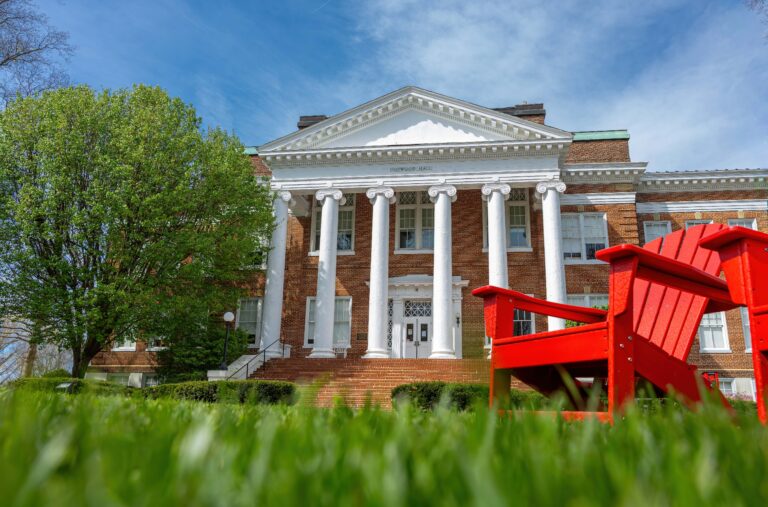
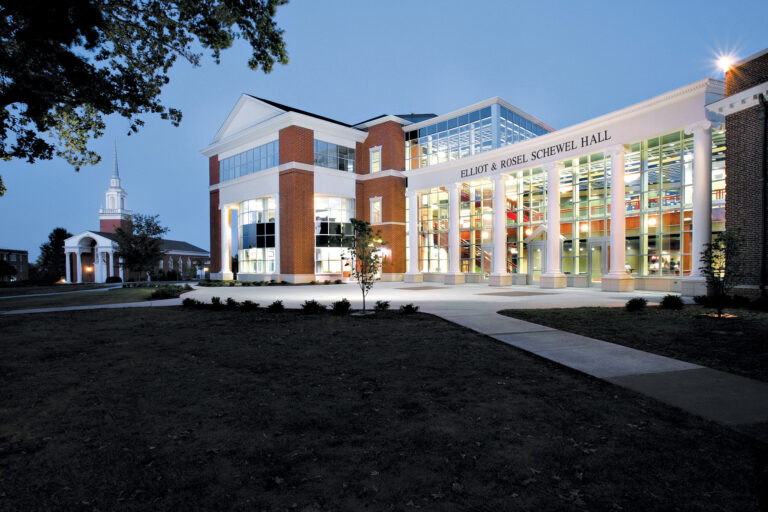
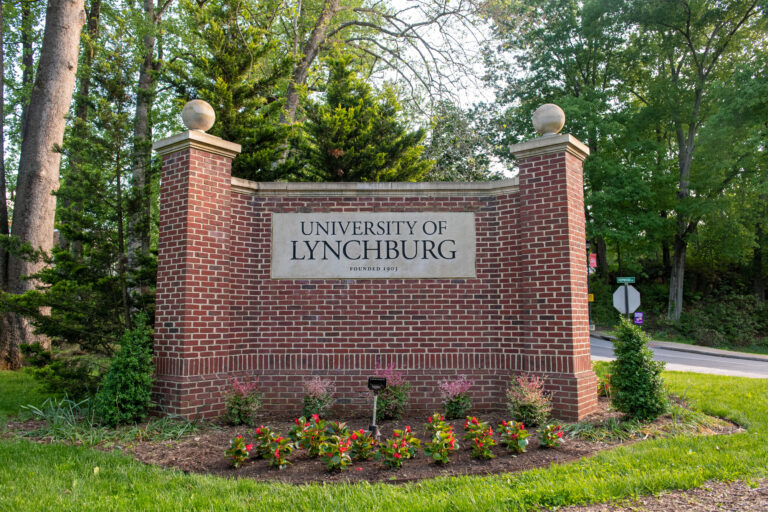
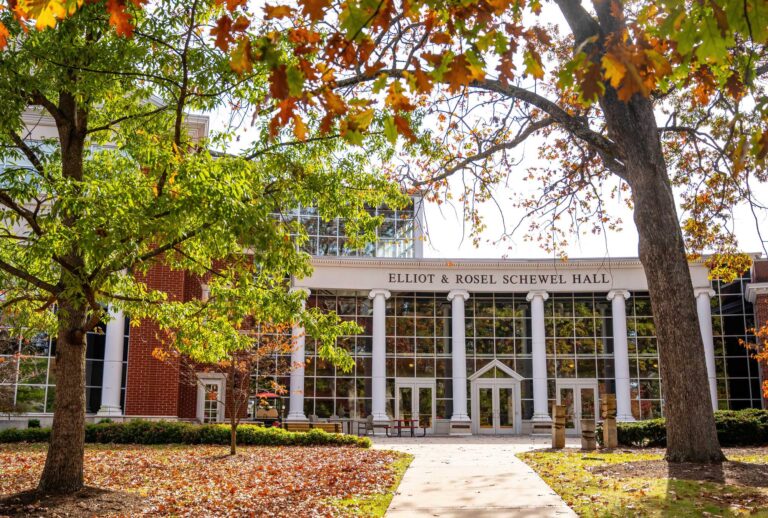
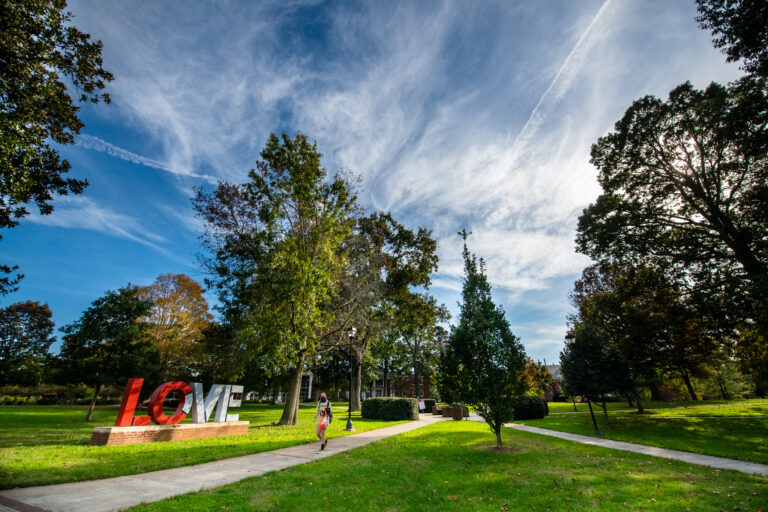
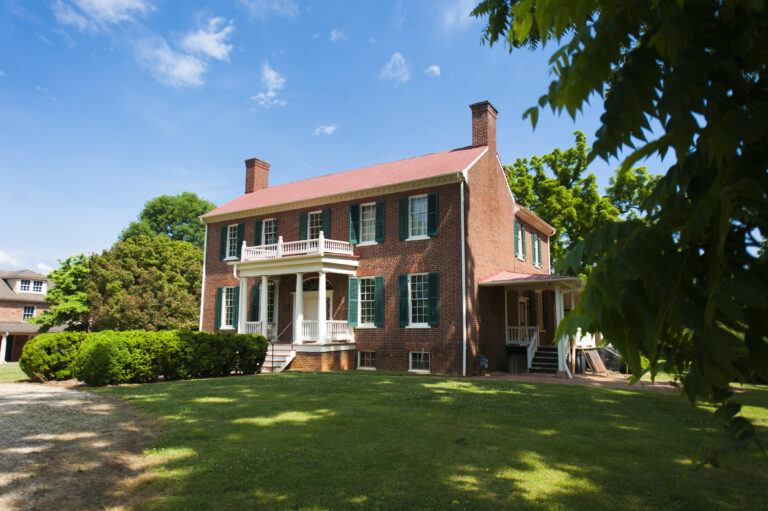
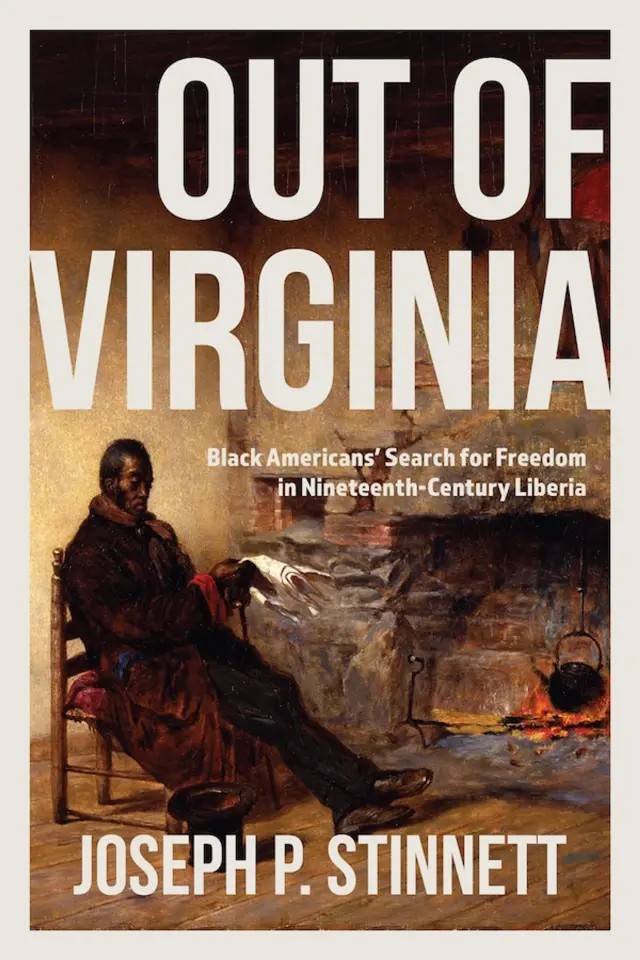
On Thursday, Nov. 5, the University of Lynchburg will host Joseph P. Stinnett, author of “Out of Virginia: Black Americans’ Search for Freedom in Nineteenth-Century Liberia.” Stinnett will give a lecture, “Lynchburg, Liberia, and London: The Contradictions of Colonization,” in Hopwood Auditorium from 5:30 to 7 p.m. The event is free and open to the public.
Stinnett’s book was published in 2026 by Rivanna Books, a regional imprint of the University of Virginia Press. Describing the work as “deeply researched and powerfully written,” the publisher writes that Stinnett “explores the complex motivations and circumstances that compelled hundreds of Black Virginians to leave the United States and recounts in vivid detail the world they encountered and how they fared after their arrival in Liberia.”
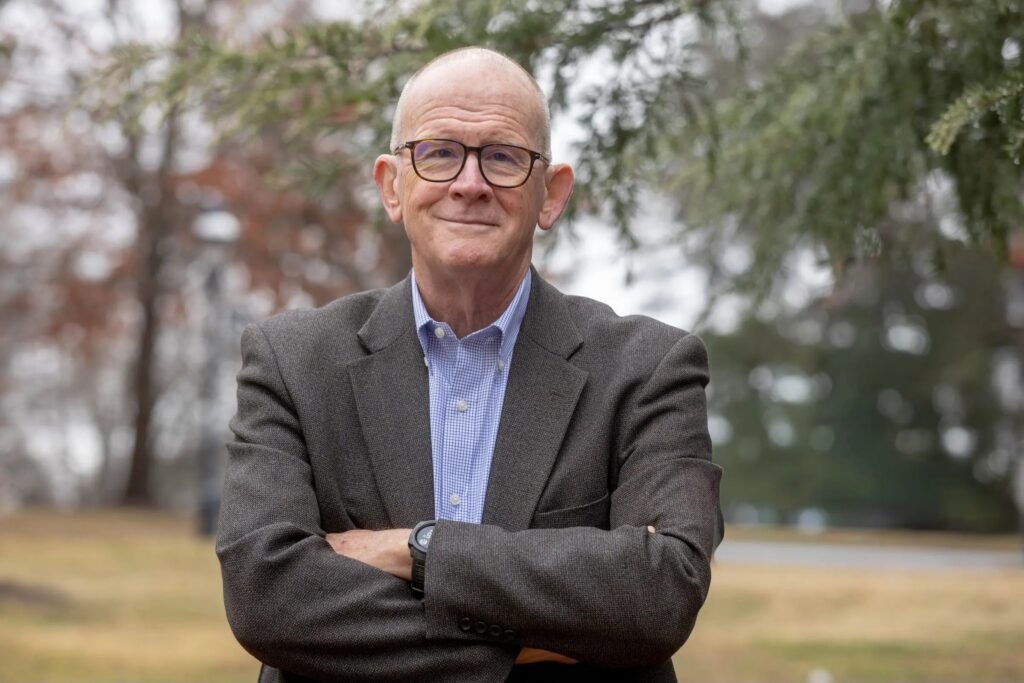
Stinnett began his research for “Out of Virginia” more than 10 years ago. A longtime journalist, he was working on a long-running feature for the News & Advance about the Civil War in Lynchburg when he made a discovery.
He happened upon what he described as a “short item in a late-1865 Daily Virginian newspaper, referring to a large group of Lynchburg people who were leaving for Liberia.” Stinnett said this “triggered my journalistic curiosity, because I’ve lived in Lynchburg for 50-some years and had never heard of them, and I wanted to know more.”
Stinnett eventually discovered that this story had never been told, other than a couple mentions in history books of the emigration in general.
Stinnett initially thought the project would be a “retirement activity that would help keep me involved in writing and journalism” and figured he would write an article about it for a magazine, newspaper, or other publication someday.
“No one had delved into the individuals involved or researched colonization itself in the Lynchburg area, which turned out to have been one of the centers of the American Colonization Society’s movement in Virginia to send all Black Americans to Liberia,” he said.
What he didn’t know at the time was that it would become much more than that. The deeper Stinnett got into his research, the more he realized that everything he’d learned in school about slavery was a lie.
“I got mad … that everything — not just some of it, but all of it — we’d been taught in Virginia schools in the mid-20th century about slavery was based on purposeful lies cooked up after the Civil War by all the Lost Cause advocates around here, including Jubal Early,” Stinnett said, referring to a Confederate general who lived in Lynchburg.
“I’m a strong advocate for factual, truthful reporting, and I was personally offended by this, and many people my age … still believe these untruths. I mean, I already knew the Confederacy was powered by racism and discrimination, but the blatant hypocrisy and lies I found really got to me.
“More importantly, I realized as I went along just how amazing the Black Americans in Lynchburg were as people. How did they endure what the white people put them through and come out the other side even more determined to stand for their rights as Americans?
“They were denied those rights for many years in Virginia, even after the Civil War. Plus, it’s hard not to read their names and learn about their families without developing an attachment to them as people.
“I really wanted to do them justice and make sure they were forgotten no more.”
Stinnett’s upcoming lecture will focus on one of the more well-known Americo-Liberians he writes about in his book: Martha Erskine Harris Ricks. Born enslaved in Tennessee, Ricks’ father, free Black pastor George Erskine, purchased her freedom.
The Erskine family went to Liberia in the 1830s, and Ricks married another emigrant, Sion Harris. She might be best known for going to London in 1890 with Liberia’s first lady, Jane Roberts. There, Ricks presented Queen Victoria with a hand-embroidered quilt.
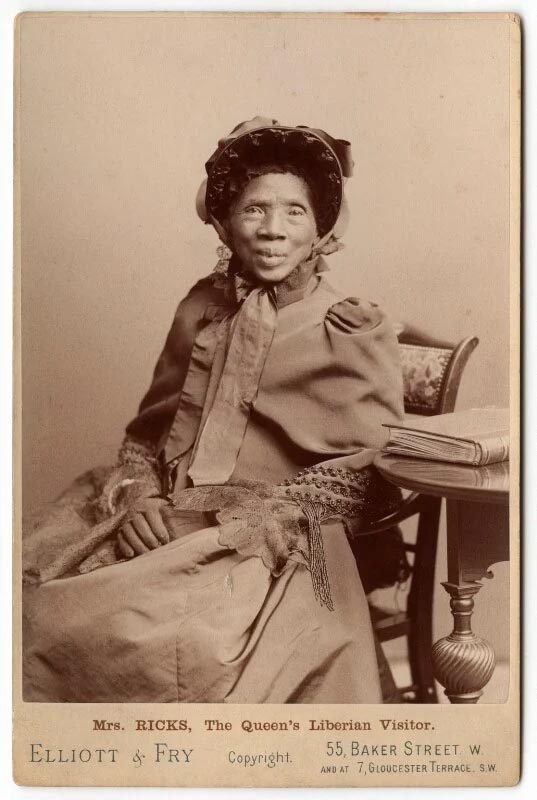
“A London paper said she was ‘a smart old lady’ to meet the queen so quickly after she got to London, but Jane Roberts was already living with the family of the first Black lord mayor of London, so it wasn’t that far-fetched,” Stinnett said.
Before his talk at Lynchburg, Stinnett will meet with students in Dr. Lisa Crutchfield’s Racism and Empire in the American Context class. “I’m pleased that our students will be able to hear Joe’s detailed talk on this important topic, but especially excited that they will be able to engage with him in a less formal setting in the classroom,” Crutchfield, associate professor of history, said.
“Having a seasoned historian such as Joe to be able to share with students his methodology and insights into the process of his research is so valuable. The work he has done in tracing Virginians’ exodus to Liberia reinforces the importance of practicing local history within broader movements.
“As my students are currently working on their own local history projects, I think they’ll find this really exciting.”
Stinnett is a retired journalist and the former editor of The News & Advance and The Roanoke Times. He earned a bachelor’s degree in English from the University of Virginia and started his journalism career in 1974. This is his first book.
Stinnett’s talk is co-sponsored by the history department and the John Franklin East Distinguished Chair in the Humanities. For more information about the lecture, contact Crutchfield at 434.544.8745 or [email protected].