Master of PA Medicine (MPAM)
Master of PA Medicine (MPAM)
Train as a Physician Assistant
Master of PA Medicine (MPAM)
Gain the knowledge and skills to excel as a PA.
Ranked #58
Competitive
Innovative
Master of PA Medicine (MPAM)
The University of Lynchburg PA Medicine program is a 27-month curriculum conferring the Master of PA Medicine (MPAM) degree. This entry-level master’s degree program consists of 101 credit hours divided into three phases that span 27 consecutive months. Classes are scheduled from 8 a.m. to 5 p.m. every weekday. The program will only be offered on campus at the Graduate Health Sciences facility.
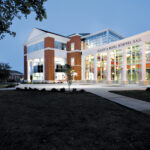
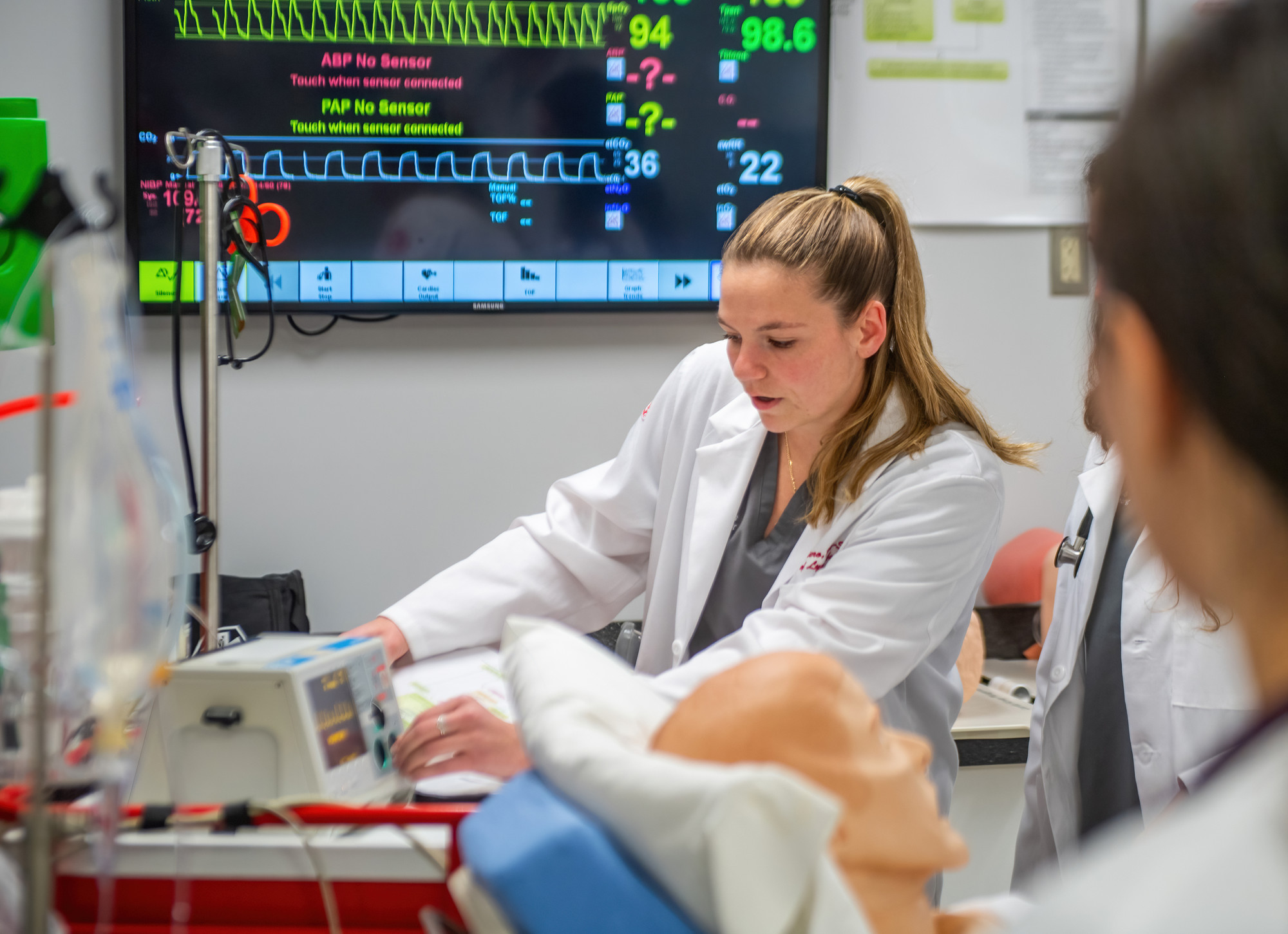
The MPAM program at University of Lynchburg enrolled its first class in June 2015. The facilities located adjacent to campus were designed specifically to meet the needs of the PA Medicine students including state-of-the-art space for classrooms, a physical diagnosis lab and simulation training. The program will also utilize an anatomy lab that features flat screen monitors and twenty-one cadaver stations. Our faculty bring both experience in higher education and clinical practice to enhance the education that students will receive. Members of the local medical community will also serve as guest lecturers.
PAs are advanced medical practitioners who are able to obtain medical histories, perform examinations, diagnose illness and prescribe medications. According to the U.S. Bureau of Labor Statistics, employment of PAs is expected to increase 38 percent from 2012 to 2022, much faster than average growth for most occupations.
University of Lynchburg Program Highlights

Advanced Curriculum

Clinical Experience

Facilities

Laboratories
The overarching goal for University of Lynchburg is to build a strong program that attracts top-quality faculty and students who will serve local, regional and national needs for well-educated PAs. The curriculum is designed to prepare students to serve as generalists. Students will also be mentored in leadership to provide opportunities for professional growth within their careers, and foster advancement of the profession.
Program Mission, Values, and Goals
MPAM Mission
The mission of the University of Lynchburg Master PA Medicine program is to educate PAs to become compassionate health care providers with an emphasis on teamwork, communication, human diversity and patient-centered care.
The dynamic interdisciplinary advanced curriculum will facilitate the highest standard of patient care while also creating leaders within medicine, local and global communities, and accelerating the advancement of the profession.
Program Values
Diversity, equity, and inclusion
Professionalism
Interprofessional collaboration
Scholarship
Leadership
Outreach
Kindness and compassion
Program Goals
The University of Lynchburg School of PA Medicine embraces key commitments to achieving the department’s mission and program level outcomes. The goal is for all PA graduates to excel in this program and practice throughout the United States and internationally.
Recruit and retain students from diverse backgrounds committed to the PA profession.
Prepare students for practice as highly competent and professional PAs providing interprofessional compassionate, comprehensive, culturally sensitive and patient-centered care to diverse patient populations.
Foster PAs who become healthcare leaders in their local and global healthcare communities.
Develop students to become scholar-practitioners competent in medical and evidenced based research evaluation and development.
Promote students to engage in lifelong, goal-focused and self-directed learning.
The University of Lynchburg PA Medicine Program’s success in achieving its program goals is summarized in this document:
Curriculum and Resources
2025-26 Academic Year Information
The PA Medicine Program at the University of Lynchburg is a professional degree program intended to prepare students academically and professionally for responsibilities and services as a PA. This entry level master’s degree program consists of 101 credit hours divided into three phases that span 27 consecutive months.
The Didactic Phase represents the preclinical year that spans 12 months. Students will attend classes Monday through Friday. A typical class day will begin at 8 a.m. and end at 5 p.m. Some Saturday instruction may also be required. The Didactic Phase will emphasize critical thinking skills and problem-based learning to build a foundation of medical knowledge. Opportunities for education outside the classroom will include student involvement in local community clinics to improve patient communication skills and facilitate expansion of differential diagnoses. Students will prepare for the Clinical Phase through hands-on experience in the program’s Simulation Lab as well as the Central Virginia Center for Simulation and Learning.
The Clinical Phase represents the clinical year and consists of 14 months of supervised clinical education and coursework. This phase will include instruction for Advanced Clinical Procedures during the first month followed by Clinical Rotations. Clinical Rotations are designed to provide medical experience and patient exposure and are referred to as Supervised Clinical Practice Experiences (SCPE). These experiences form the basis of the clinical and socialization processes for adaptation to the roles and functions of a PA. Students will also engage master’s research in this phase. The University of Lynchburg PA Medicine program has signed affiliation agreements with regional health care facilities including Centra. These agreements will enable our students to gain clinical experience through hospitals, clinics and other practices throughout the region. The program is also intently engaged in developing opportunities for international rotations through existing relationships with University of Lynchburg.
The Summative Phase is 1 month in duration and represents the final stage of the program. Students will complete the master’s research in this phase. The Summative Phase will include a cumulative medical knowledge exam and a cumulative practical skills exam. Students will also engage in preparation for the PANCE exam. This phase includes instruction for creating a Curriculum Vitae and preparation for job interviews.
Students will enroll as a cohort and complete each semester sequentially. Due to the sequential nature of the curriculum, students must successfully pass all courses for a given semester before becoming eligible to take courses in the subsequent semester. Advanced placement will not be granted under any circumstances. All students who are granted admission to the program must fulfill all program requirements.
Program Requirements
Year 1
Summer- PA 600 – Introduction to the Profession (1)
- PA 601 – Medical Practice I (5)
- PA 604 – Critical Thinking in Medicine I (2)
- PA 608 – Human Anatomy I (4)
- PA 612 – Pathophysiology I (3)
- PA 614 – Physical Diagnosis I (2)
- PA 627 – Pharmacotherapeutics I (3)
- PA 602 – Medical Practice II (5)
- PA 605 – Critical Thinking in Medicine II (2)
- PA 609 – Human Anatomy II (4)
- PA 613 – Pathophysiology II (3)
- PA 615 – Physical Diagnosis II (2)
- PA 628 – Pharmacotherapeutics II (3)
- PA 617 – Community Clinic I (1)
- PA 603 – Medical Practice III (5)
- PA 606 – Critical Thinking in Medicine III (2)
- PA 610 – Social and Cultural Aspects of Healthcare (3)
- PA 611 – Health Ethics (1)
- PA 616 – Physical Diagnosis III (2)
- PA 618 – Community Clinic II (1)
- PA 629 – Medical Microbiology (3)
- PA 634 – Medical Informatics (3)
Year 2 and 3
- PA 640 – Advanced Clinical Procedures (5)
- PA 645 – Primary Care Supervised Clinical Practice (3)
- PA 650 – Emergency Medicine Supervised Clinical Practice (3)
- PA 655 – Inpatient Medicine Supervised Clinical Practice (3)
- PA 660 – General Surgery Supervised Clinical Practice (3)
- PA 665 – Women’s Health Supervised Clinical Practice (3)
- PA 670 – Pediatric Medicine Supervised Clinical Practice (3)
- PA 675 – Behavioral Health Supervised Clinical Practice (3)
- PA 680 – Elective Supervised Clinical Practice (1.5)
- PA 683 – Elective Supervised Clinical Practice (1.5)
- PA 685 – Elective Supervised Clinical Practice (1.5)
- PA 688 – Elective Supervised Clinical Practice (1.5)
- PA 690 – Research Clerkship (3)
Year 3
Spring Total: 101 creditsProgram Functions and Tasks (Program Competencies)
In early 2000, national organizations representing PAs, including the National Commission on Certification of Physician Assistants (NCCPA), the Accreditation Review Commission on Education for the Physician Assistant (ARC-PA), the American Academy of Physician Associates (AAPA), and the Physician Assistant Education Association (PAEA) worked to develop a set of overarching competencies for PAs and the PA professions, simply known as Competencies for the Physician Assistant Profession. The Competencies were subsequently nationally adopted in 2005, amended in 2012, 2021 and intended to serve as a ‘map’ for both the development and the maintenance of professional competencies inherent to PAs and the PA profession.
As noted in the Competencies document, some of the competencies are acquired during the PA education process while others are developed and honed throughout a PA’s career. Lynchburg’s PA Medicine program acknowledges the importance of the National Competencies and further recognizes that, although excellent benchmarks for PA performance, not all of the Competencies can truly be evaluated within a PA education program. As such, the Lynchburg PA Medicine program has adapted the Competencies into specific measurable outcomes, each falling within the general heading of the original competencies (e.g., Medical Knowledge), but reduced to a specific and measurable performance item that best reflects the goals of the program as follows:
Medical Knowledge
PAs must demonstrate core knowledge about established and evolving biomedical and clinical sciences and the application of this knowledge to patient care in their area of practice. In addition, PAs are expected to demonstrate an investigatory and analytic thinking approach to clinical situations. Upon completion of the program students will be able to:
- Demonstrate the medical, behavioral, and social science knowledge necessary to both promote health, and evaluation and management of a variety of patient presentations.
- Effectively recognize, assess, diagnose, and treat patients with a variety of problems seen in the practice of medicine.
Summative Measureable: Written Exam
Interpersonal and Communication Skills
PAs must demonstrate interpersonal and communication skills that result in effective information exchange with patients, their patients’ families, physicians, professional associates, and the healthcare system. Upon completion of the program students will be able to:
- Elicit an accurate medical history on patients
- Demonstrate knowledge and application of effective interpersonal, oral and written communication skills.
- Communicate in a patient-centered and culturally responsive manner to accurately obtain, interpret and utilize information and implement a patient-centered management plan.
Summative Measurable: Objective Structured Clinical Examination
Patient Care
PAs must demonstrate care that is effective, safe, high quality, and equitable; includes patient- and setting-specific assessment, evaluation, and management. Upon completion of the program students will be able to:
Patient Care – Clinical and Technical Skills
- Perform a detailed physical exam relevant to the medical history
- Recommend and interpret appropriate diagnostic studies to assist in the evaluation and treatment based on a patient’s medical history and physical exam
- Develop and implement an appropriate therapeutic management plan, either pharmacological or non-pharmacological based on a patient’s acuity of care, age, medical history, physical exam, and diagnostic study findings
- Perform clinical skills and procedures common to general medicine practice including but not limited to laboratory interpretation, radiograph interpretation, EKG interpretation, and local anesthesia and simple laceration repair with suturing
Summative Measurable: Objective Structured Clinical Examination, Clinical Procedures Exam
Patient Care – Clinical Reasoning and Problem-Solving
- Formulate a differential diagnosis following a clinical encounter
Summative Measurable: Objective Structured Clinical Examination
Professionalism
PAs must express positive values and ideals as care is delivered. Foremost, professionalism involves prioritizing the interests of those being served above one’s own while acknowledging their professional and personal limitations. PAs must demonstrate a high level of responsibility, ethical practice, sensitivity to a diverse patient population, and adherence to legal and regulatory requirements. Upon completion of the program students will be able to:
- Demonstrate professionalism in interactions with others including, but not limited to, patients, families, and colleagues.
- Demonstrate knowledge and application of an understanding of the PA role including ethical and professional standards regarding the PA profession.
Summative Measurable: Objective Structured Clinical Examination
Practice-Based Learning and Improvement
PAs must be able to assess, evaluate, and improve their patient care practices. Upon completion of the program the student will be able to:
- Critically evaluate research literature and develop an educational evidenced-based practice-improvement research project.
Summative Measurable: Poster Presentation and Defense of Master’s Thesis Project
Systems-Based Practice
PAs should work to improve the larger healthcare system of which their practices are a part. Upon completion of the program students will be able to:
- Critically evaluate medical literature to ensure the appropriateness and cost effectiveness of patient resources.
- Demonstrate the ability to identify needed area(s) of change within a system-based practice and develop and present a plan for improvement.
Summative Measurable: Poster Presentation and Defense of Master’s Thesis Project
Competency and proficiency in these functions and tasks is a learning process that will gradually occur over the breadth of the Master of PA Medicine Program at University of Lynchburg. Evaluation of these outcomes will occur via the use of multiple instruments, including, but not limited to, written and practical examinations, clinical preceptor evaluations, research projects, PANCE results, and graduate and post-graduate surveys.
PA Student Experience
As a Lynchburg PA student, you’ll have the opportunity to put research, service, leadership, and advocacy into action.
Polloway Student Society
Polloway Student Society (PSS), a student-run organization, is focused on providing service to the Lynchburg community, leadership development to MPAM students, and advocacy opportunities at the state and national level. PSS is dedicated to fostering community connection in order to build relationships, improve health outcomes, and expand our knowledge of the Lynchburg community.
Service
PSS works in collaboration with the Free Clinic of Central Virginia to support the underinsured populations of the Lynchburg and surrounding communities. We also support Lynchburg Daily Bread, Habitat for Humanity, and other local organizations via community service throughout the tenure of the program.
Leadership
We offer leadership development for every student through the involvement in student governance committees. Available committees include: budget, bylaws, morale, wellness, outreach, mentorship, fundraising, and diversity committees.
Advocacy
We participate in the annual AAPA Leadership and Advocacy Summit in Washington, D.C., as well as the White Coats on Call advocacy event in Richmond, Va. Both of these events allow students to directly participate in professional advocacy with legislators and partake in the legislative lobbying process. PSS also supports and encourages students to attend the annual AAPA national conference and VAPA regional conferences.
Students Without Borders
Students Without Borders (SWOB) is a student-led organization committed to delivering essential medical aid to underserved communities.
Each year, Lynchburg PA students embark on a medical humanitarian trip, partnering with licensed preceptors to assess and treat individuals in the communities we serve. Past trips have taken us to Oaxaca, Mexico, and the Dominican Republic. Throughout the year, SWOB works diligently to raise funds to purchase medicine, medical supplies, and hygiene items for distribution. In addition to medical aid, SWOB has distributed clothing, toys, glasses, books, sports equipment, and other essentials to those in need.
A portion of the funds raised by SWOB can also be directed to local Lynchburg organizations that provide free medical care, helping to support and strengthen our local community
SWOB’s Facebook Page
SWOB’s Instagram Page
[email protected]
Rose Jones, MPAM ‘25, Students Without Borders Travel Coordinator
Penelope Moore, MPAM ‘25, Students Without Borders Vice-President
Whitley Ranson, MPAM '24, Student Without Borders Vice-President
Brenna DeBellas, MPAM '24, Student Without Borders President
Student Publications
Authors in bold are students.
2021
“Understanding resistant hypertension” (A. Bachinsky, E.L. Jones, T. Thompson, S. DePalma, J. Nicholas, and E. Schmidt). Journal of the American Academy of PAs. Vol. 34(12):15-20. December 2021.
“Screening for hypertrophic cardiomyopathy” (S.C. Pydah, K. Mauck, C. Shultis, J. Rolfs, E. Schmidt, and J. Nicholas). Journal of the American Academy of PAs. Vol. 34(10):23-27. October 2021.
“Triple-Negative Invasive Ductal Carcinoma in a 34-Year-Old Woman” (S.C. Pydah, E. Hernandez, and M. Shaffron). Clinical Advisor. 2021:September/October Issue. September 2021.
“Brain metastasis in a patient with multiple malignancies” (K. Robinson, C. Zerfoss, J. Nicholas, and J. Rolfs). Journal of the American Academy of PAs. 2021;34(2):28-31. February 2021.
2020
“Adult attention deficit/hyperactivity disorder in the ambulatory care setting” (A. Hackett, R. Joseph, K. Robinson, J. Welsh, J. Nicholas, and E. Schmidt). Journal of the American Academy of PAs. 2020;33(8):12-16. August 2020.
“Kawasaki disease: Shedding light on a mysterious diagnosis” (J. Galuppo, A. Kowker, J. Rolfs, J. Nicholas, and E. Schmidt). Journal of the American Academy of PAs. 2020;33(7):18-22. July 2020.
2019
“An overview of reactive arthritis” (M. Pennisi, J. Perdue, T. Roulston, J. Nicholas, E. Schmidt, and J. Rolfs). Journal of the American Academy of PAs. 2019;32(7):25-28. July 2019.
“Opioid use disorder during pregnancy: An overview” (L.C. Carter, M.A. Read, L. Read, J.S. Nicholas, and E. Schmidt). Journal of the American Academy of PAs. 2019;32(3):20-24. March 2019.
“Trigger finger: An overview of the treatment options” (A. Mathews, K. Smith, L. Read, J. Nicholas, and E. Schmidt). Journal of the American Academy of PAs. 2019;32(1):17-22. January 2019.
Program Policies
MPAM Application and Admissions Process
The University of Lynchburg Master of PA Medicine Program participates with the Central Application Service for PAs (CASPA). All applicants must apply through the CASPA website.
Application Requirements
The following criteria are established for students interested in applying to the University of Lynchburg Master of PA Medicine program:
- Students will only be admitted to enroll on a full-time basis.
- Applicants must complete a bachelor’s degree from a regionally accredited college or university in the U.S. or Canada and must have completed the requirements for direct patient care and shadowing a licensed PA prior to enrolling.
- Applicants must have a minimum cumulative GPA of 3.0 for all courses; a minimum science GPA of 3.0 and a minimum prerequisite GPA of 3.0 (on a 4.0 scale).
- Applicants must submit official scores for the Graduate Record Examination (GRE) to CASPA using the University of Lynchburg code 3874 for the PA Medicine program. Scores must be within 5 years of the CASPA application. There is no minimum score requirement. The GRE requirement will be waived for applicants with a previous graduate degree or who submit official MCAT scores to CASPA.
- All prerequisite courses must be completed at a regionally or nationally accredited college or university in the United States or Canada.
- International applicants must submit an official score for the Test of English as a Foreign Language (TOEFL) to CASPA. The minimum total score is 80.
- Applicants who completed coursework from a college or university outside of the U.S. must submit a transcript evaluation from the World Education Services (WES) or Educational Credential Evaluators (ECE) to CASPA.
*Please note: WES and ECS credits will not be accepted toward Program Prerequisites - Applicants will affirm that they have aptitude, ability, and skills that fulfill the Technical Standards.
- Applicants must submit three letters of recommendation to CASPA supporting the applicants’ ability to be a PA. One letter must be from a practicing PA, nurse practitioner, or physician.
No applicant will receive advanced placement in the program. University of Lynchburg does not accept transfer credit from a student previously enrolled in another PA program or experiential credit. Applicants previously enrolled in another PA program, nursing, or medical school will be considered on an individual basis.
Admission Process
All applicants must apply through CASPA. Applications for the May 2026 entry term will be accepted as of April 25, 2025. CASPA considers an application to be complete when all items including fees, transcripts, letters of reference, or other required items are e-submitted with the application. All applicants are asked to read and adhere to the CASPA Code of Cooperation. The University of Lynchburg requires that all application items be verified by CASPA before being reviewed by the admissions committee. This verification process can take up to four weeks. It is important to submit all items to CASPA as early as possible. The deadline for your verified application is Jan. 15, 2026. The average applicant will spend a week or more completing the CASPA application. Learn more about the CASPA fee assistance program (PDF).
Supplemental applications and interviews: Qualified applicants will receive the University of Lynchburg’s Supplemental Application via email (check your spam filter) until the rolling admission process ends. Applicants will then be required to return the Supplemental Application to the Office of Admissions along with a $50 non-refundable fee within 15 days. Failure to return the application in 15 days will result in the application being closed.
The Admissions Committee will review both the CASPA and Supplemental Applications. Applicants who submit the Supplemental Application are not guaranteed an interview. The admissions committee will invite qualified applicants for an on-campus interview. Applicants may be invited for interviews as applications are completed.
The admission decision process:
- The University of Lynchburg has a rolling admissions process.
- When all of the cohort has enrolled the admission process will end.
- The cohort for 2028 will be a maximum of 40 full-time students.
- Admission decisions will be determined after each interview session.
- Applicants will be notified of one of the following decisions:
- Admitted to enroll
- Added to an active candidate list for consideration
- Unable to be admitted.
It is important to note that all qualified applicants who meet application requirements for the University of Lynchburg PA Medicine program will be considered for an interview and acceptance into the program. Non-academic criteria are valued and considered during application review. The non-academic criteria are consistent with the University of Lynchburg PA Medicine program’s mission and values.
Non-academic criteria valued by the University of Lynchburg PA Medicine program include:
- University of Lynchburg Alumni
- Military (i.e.veteran, active, and/or reserves)
- Students from economic and environmentally underrepresented populations (as determined by CASPA HRSA indicators)
- Minority Applicants
- First-generation college student
The Admissions Committee will use a rubric that awards points for various components of the application, including academic achievement as well as direct patient care quality and quantity. Five additional points will be granted to University of Lynchburg graduates and Veterans. If an applicant is both a University of Lynchburg graduate and a Veteran a maximum of five additional points is granted. Veterans must have served in the military under honorable conditions and must provide documentation of service. The rubric score is used as a component in the Admissions Committee’s process but may not determine the admission decision. Candidates are evaluated on all academic work (including cumulative GPA, science GPA, prerequisite GPA), official GRE scores, letters of recommendation, supplemental application data, interview scores, patient care experience, demonstrated service, and leadership ability.
The interview day includes further assessment of the candidates through group interview activities. Each of these interviews will be conducted by PA faculty members. The rubric is updated to include interview day activities as part of the admission process. All candidates will receive email notification from the Program Director regarding their status. Acceptance packets will be issued to candidates who are admitted to enroll.
Applicants selected for admission must:
- Complete a background check via CASPA. Certified Background before enrollment.
- A background check request will be issued via CASPA. The background check must be completed by May 1.
- Provide evidence of good health and up-to-date immunizations before enrollment.
- Submit to drug testing as required by the program and any clinical practice sites (Non-compliance with the criminal background checks and/or drug testing policies may be cause for dismissal from the program of study.)
- Maintain personal health insurance not provided by the College (Required liability insurance coverage will be provided by the College.)
- Attend all orientation sessions scheduled by the program.
It is against the University of Lynchburg’s policy to share any information regarding an application with anyone other than the applicant. We will communicate with applicants primarily via email, so applicants should check their email regularly including any spam filters.
The University of Lynchburg does not discriminate based on race, religion, disability, gender, gender preference, or national or ethnic origin (and complies with the requirements of the Americans with Disabilities Act).
The enrollment process:
Students who are admitted to enroll must submit a $1,500 non-refundable deposit fee within 15 days of notification of acceptance. The deposit will be applied to tuition after a student enrolls. Once a student has submitted the deposit to enroll, they will receive instructions regarding background checks, drug screenings, orientation dates, etc. Any billing questions should be directed to the Solutions Center at [email protected].
Prerequisites
All prerequisites must be completed at a regionally or nationally accredited college or university within the U.S. or Canada prior to matriculation. CLEP scores will not be accepted in place of prerequisites. AP scores will be accepted. The AP credit must be reflected on an undergraduate transcript. No prerequisite courses may be completed as “pass/fail” or “credit/non-credit.” A minimum course grade of C is required for all required prerequisite courses. For Anatomy and Physiology prerequisite courses, while a minimum grade of C is required, a course grade of B or better is preferred. It is preferred that prerequisite courses are completed within 5 years of application to the program.
For additional information, please contact us at [email protected] or 434.544.8876.
Bachelor’s Degree Requirement
A bachelor’s degree from a regionally accredited college or university in the U.S. or Canada is required to enter this program.
GPA Requirements
The minimum cumulative GPA to be considered for admission is 3.0. Strong applicants will exceed the minimum GPA. In addition to the cumulative GPA applicants must have a minimum science GPA of 3.0 and a minimum prerequisite GPA of 3.0 (all on a 4.0 scale).
Direct Patient Care Requirements
Students must have completed a minimum of 500 hours of direct patient care and 8 hours shadowing a licensed PA prior to matriculation. Many applicants far exceed the minimum amount for direct patient care hours. Patient care may consist of work or volunteer experience including but not limited to: athletic trainer, paramedic or EMT, military medic, nurse, nurse aide, laboratory technician, radiology technician, respiratory therapist, and surgical technician. Hours received through a certificate training or undergraduate degree program are typically not accepted (AT, EMT, OT, RN). Certificate training or undergraduate experiences with high levels of independent patient care will be considered on an individual basis by the clinical director. Employment as a scribe and PA shadowing hours may count toward the direct patient care hours on a case by case basis. We do not require documentation of your patient care hours but reserve the right to verify them. Verification of PA shadowing is required for the Supplemental Application.
Sciences
- 8 semester hours of biology with labs (2 biology with lab courses)* (excludes A&P)
- 4 semester hours of general chemistry with lab or introductory chemistry with lab*
- 4 semester hours of organic chemistry with lab or biochemistry (200 level course or higher) with lab*
- 4 semester hours of human anatomy with lab
- 4 semester hours of human physiology with lab
- 3-4 semester hours of microbiology with lab
- 3 semester hours of genetics
* These courses should be equivalent courses required in the science majors.
Psychology
- 3 semester hours of general or developmental psychology
Math
- 3 semester hours of introductory statistics (or equivalent course in other discipline)
Social Sciences
- 3 semester hours of economics, sociology, political science, or similar coursework.
Technical Standards
The Master of PA Medicine program’s Technical Standards outlines the abilities and skills that students must possess in order to complete this rigorous program. These same abilities and skills are essential for clinical practice as a licensed PA. All students admitted to the program are expected to be able to demonstrate the abilities specified below at matriculation. If a student is unable to fulfill the Technical Standards prior to or any time after admission the student will not be permitted to enroll or progress in the program.
In the admission process the program will review not only the academic potential of an applicant, but also the physical and emotional capabilities to meet the requirements of the program’s curriculum in order to graduate as a skilled PA. Students must affirm that they meet these Technical Standards prior to or at the time of matriculation. Students found to be in violation of Technical Standards are at risk for dismissal from the program. Disclosure of disabilities and requests for accommodations are handled in a confidential manner. Reasonable accommodations for persons with documented disabilities will be considered on an individual basis.
University of Lynchburg strives to ensure that patients receive the best health care possible by requiring that students possess abilities and skills in these areas:
Observation
Applicants must have sufficient capacity to observe in the classroom, the laboratories, outpatient settings and the patient’s bedside. Sensory skills to perform a physical examination are required. Functional vision, hearing, smell and tactile sensation are required to properly observe a patient’s condition and to perform procedures regularly required during a physical examination.
Communication
Applicants must be able to communicate effectively in both academic and health care settings. Applicants must show evidence of effective written and verbal communication skills. Applicants must be able to communicate with patients in order to elicit information, describe changes in mood, activity and posture and perceive nonverbal communications. Applicants must be capable of completing, in a thorough and timely manner, appropriate medical records and documents and plans according to protocol.
Motor
The ability to participate in basic diagnostic and therapeutic maneuvers and procedures is required. Applicants must have sufficient motor function to execute movements reasonably required to properly care for all patients. This may include but is not limited to bending, lifting, carrying or running. Applicants must be able to move freely about patient care environments and must be able to move between settings such as clinics, classroom buildings, and hospitals. In addition, physical stamina sufficient to complete the rigorous course of didactic and clinical study is required. Long periods of sitting, standing, or moving are required in classroom, laboratory and clinical experiences.
Intellectual, Integrative, and Quantitative Abilities
Applicants must be able to measure, calculate, reason, analyze and synthesize. Problem solving is an essential skill for PAs and it requires all of these intellectual abilities. Applicants must be able to read and understand medical literature. In order to complete the PA Medicine program, applicants must be able to demonstrate mastery of these skills and the ability to use them together in a timely fashion in medical problem-solving and patient care.
Behavioral and Social Attributes
Applicants must possess the emotional health and stability required for full utilization of their intellectual abilities, the exercise of good judgment and the prompt completion of all academic and patient care responsibilities. The development of mature, sensitive and effective relationships with patients and other members of the healthcare team is essential. The ability to function in the face of uncertainties inherent in clinical practice, flexibility, compassion, integrity, motivation, interpersonal skills and concern for others, are all required. Applicants must be able to function effectively under stress and have the ability to accept constructive criticism and handle difficult interpersonal relationships during training.
Evaluation and Accommodation of Disabilities:
Although a candidate’s self-identification as a person with a disability is voluntary, the PA Program can only accommodate known disabilities. In order to establish eligibility for and to request accommodation, a student must notify the Disability Services Office. The PA Medicine Program will consider any qualified applicant who demonstrates the ability to acquire the knowledge necessary for the practice of medicine, as well as the ability to perform, or to learn to perform, the skills, as described above.
Contact the Center for Accessibility and Disability Resources.

Master of PA Medicine (MPAM) Faculty

Amy Popko ’19 MPAM, ’20 DMSc, PA-C

David Truitte, MD, FACC, FACP

Dr. Tessa Roulston ’18 MPAM, ’19 DMSc, MS, PA-C

Elaine D. Nichols, EdD, RDCS, RDMS, RVT, RTR

Eric Schmidt, PhD
Greer O. Trainham ’22 MPAM, ’23 DMSc, PA-C

Joni Morcom ’17 MPAM, ’18 DMSc, PA-C

Lisa Neumann-Smith, CNM

Mary Gribbin, MBMS

Megan Castro ’18 MPAM, ’19 DMSc

Melissa Shaffron ’22 DMSc, PA-C

W. Joseph Bowman, DSc, PA-C
Amy Popko ’19 MPAM, ’20 DMSc, PA-C
David Truitte, MD, FACC, FACP
Dr. Tessa Roulston ’18 MPAM, ’19 DMSc, MS, PA-C
Elaine D. Nichols, EdD, RDCS, RDMS, RVT, RTR
Eric Schmidt, PhD
Greer O. Trainham ’22 MPAM, ’23 DMSc, PA-C
Joni Morcom ’17 MPAM, ’18 DMSc, PA-C
Lisa Neumann-Smith, CNM
Mary Gribbin, MBMS
Megan Castro ’18 MPAM, ’19 DMSc
Melissa Shaffron ’22 DMSc, PA-C
W. Joseph Bowman, DSc, PA-C
As a Lynchburg MPAM student, you'll:
“I have met so many people — peers, faculty, and staff — in my time at Lynchburg that I know will remain in my life post-graduation."
Undeniably Life-Changing Stories
Accreditation Statement
The Accreditation Review Commission on Education for the Physician Assistant, Inc. (ARC-PA) has granted Accreditation-Continued status to the University of Lynchburg Physician Assistant Program sponsored by University of Lynchburg. Accreditation-Continued is an accreditation status granted when a currently accredited program is in compliance with the ARC-PA Standards. Accreditation remains in effect until the program closes or withdraws from the accreditation process or until accreditation is withdrawn for failure to comply with the Standards. The approximate date for the next validation review of the program by the ARC-PA will be March 2029. The review date is contingent upon continued compliance with the Accreditation Standards and ARC-PA policy.
The program’s accreditation history can be viewed on the ARC-PA website.
Licensure Disclosure
The University of Lynchburg PA Medicine program is an Accreditation Review Commission on Education (ARC-PA) Accredited program.
All 50 states require graduation from an ARC-PA accredited program and National Commission on Certification Of Physician Assistants (NCCPA) certification following successful completion of the Physician Assistant National Certification Exam (PANCE) as conditions for initial PA licensure. Successful completion of the University of Lynchburg Master of PA Medicine (MPAM) program affords our PA graduates the opportunity to sit for the PANCE.
Successful completion and passage of the NCCPA PANCE exam meets all 50 state licensure requirements. Licensure information may be found on the American Academy of PAs (AAPA) website. Please refer to the AAPA website for a complete summary of initial licensure requirements in all 50 states.
If you plan to reside/work outside of Virginia, we advise you to investigate the licensure requirements of any state where you are considering employment.
Graduate Tuition
Below is an overview of the cost of the program:
Master of PA Medicine (MPAM)
-
Credit Hours: 101
To view a full cost breakdown including additional fees, visit the Master of PA Medicine Cost Breakdown page.