Digital Fabrication Minor
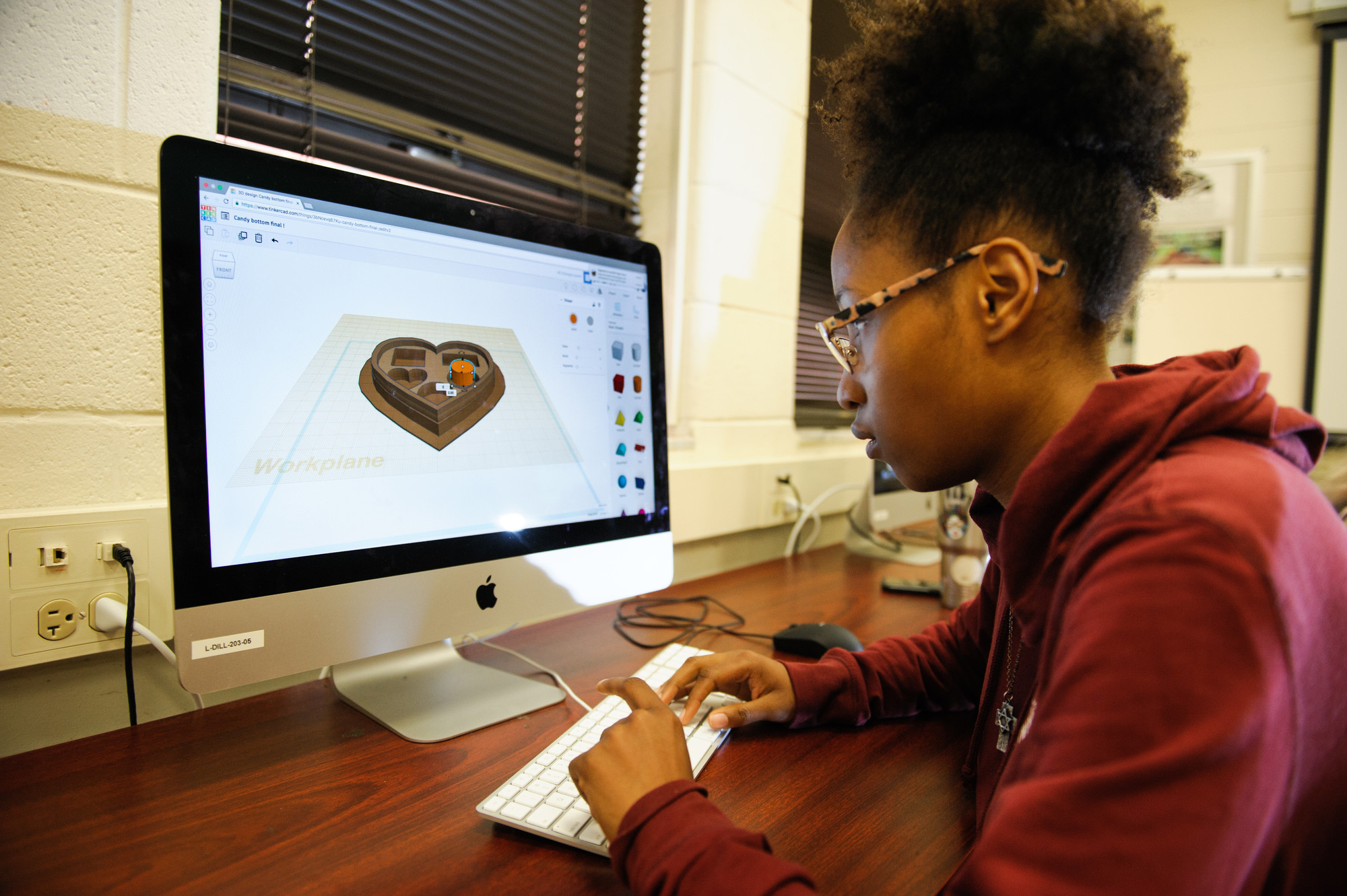
The Digital Fabrication minor introduces you to computer-controlled tools and creative workflows such as 3D printing, laser cutting, vinyl cutting, digital modeling, and computer-controlled machine processes. You’ll approach how form, material, process, and technology work together to build creative and technical skills that connect digital design with physical making.
You’ll develop a foundation in sculpture, drawing, graphic design, 3D printing, and digital fabrication. Along the way, you’ll learn how to think visually, solve problems through iteration, understand materials, and use emerging technologies as tools for creative expression.
This minor can complement majors in graphic design, studio art, and other fields where making, modeling, prototyping, and visual communication are valuable. It’s especially useful if you want to combine creative exploration with practical, hands-on skills.
What Jobs Can I Get With a Digital Fabrication Minor?
A Digital Fabrication minor can support creative and interdisciplinary career paths by helping you build skills in design thinking, prototyping, material exploration, collaboration, and hands-on production. These skills are often used alongside a major or additional training in art, design, technology, product development, or a related field.
Potential career paths may include:
- Product designer
- Industrial designer
- Digital fabricator or fabrication specialist
- Exhibition or installation designer
- Set or scenic designer
- Public artist or sculptor
- UX or prototyping designer
- Creative technologist
- Model maker or prototype developer
- Entrepreneur or product developer
- Marketing or brand experience designer
The minor may also complement technical or health-related fields where 3D modeling, printing, fabrication, and prototyping are used. Depending on a your major and additional training, these skills may connect to areas such as medical or dental lab work, prosthetics fabrication, or research-based prototyping.