The University of Lynchburg has appointed new leadership across two of its healthcare leadership doctoral programs.
Dr. Blake Rogers ʼ23 DMSc has been named program director and Dr. Nikoleta Delis ʼ22 DMSc was named associate program director of Lynchburg’s nationally recognized Doctor of Medical Science program.

Dr. Raquelle Akavan ʼ24 DMSc has taken on an additional role as the DMSc’s director of advancement and engagement, and Dr. Bryn Kroto ʼ25 DMSc is now the faculty lead for the DMSc Emergency Management and Global Health concentration.
Additionally, Dr. Lynette Reina ʼ25 EdD has been named program director for the Doctor of Executive Leadership program.
“I’m honored by the trust placed in me and deeply grateful to the leaders, mentors, and colleagues who paved the way for my growth,” Rogers said. “As a proud alumnus of this program, this moment carries special meaning.
“I’m standing on the foundation built by those who came before me and helping shape the future for those who will follow.”
Rogers played a pivotal role in the launch of what he fondly calls “DMSc 2.0,” a comprehensive redesign that modernized the program’s structure, expanded its national and international reach and strengthened its position as the premier doctoral pathway for physician associates.

“We’ve elevated the curriculum to be more clinically relevant, leadership-driven, and responsive to the realities facing today’s practicing PAs,” he said. “This redesign reflects our commitment to developing clinicians who not only excel in patient care, but who lead with purpose, influence systems, and advocate for the profession at every level.”
Even though Lynchburg’s DMSc has grown to be the largest program of its kind, Rogers notes that its strength lies in the close-knit community built by its students, alumni, and faculty.
“Ours is a large program, but it remains deeply personal — rooted in a student-first experience and built around meaningful relationships, individualized support, and real-world application,” he explained. “We are paving the way for what doctoral education for PAs should look like: bold, clinically-relevant, future-focused, and grounded in professional advocacy and leadership.”
With nearly six years of experience at Lynchburg, Delis brings a student-centered vision to her role as associate program director.
“If I have it my way, I will work here forever,” Delis said. “I have seen colleagues become best friends and students become colleagues along this journey, and I’m so proud to work with a team that I know puts student interest above all else.”
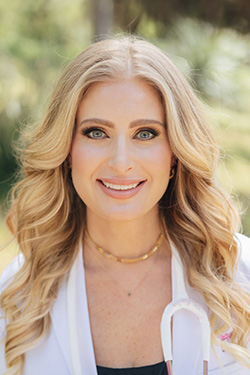
Her philosophy underscores the heart of the PA profession: service, compassion, and responsibility.
“I’m passionate about the PA profession because it is a space where we can do so much good,” Delis said. “We are investing in the student’s capability to do good — good for their patients, good for their communities, good for themselves.
“A career in medicine is a call to action, and I feel incredibly fortunate that my full-time work is supporting our students as they pursue their calling.”
Akavan, the founder of PA Moms, will be spearheading efforts to expand the DMSc program’s reach around the world and strengthening the alumni network in her full-time role as the DMSc’s director of advancement and engagement.
Kroto has already jumped headfirst into her role as the new faculty lead for the DMSc’s Emergency Management and Global Health Concentration. In partnership with Floating Doctors, she is currently leading several students on a humanitarian mission trip serving the Ngäbe-Buglé people of Panama.
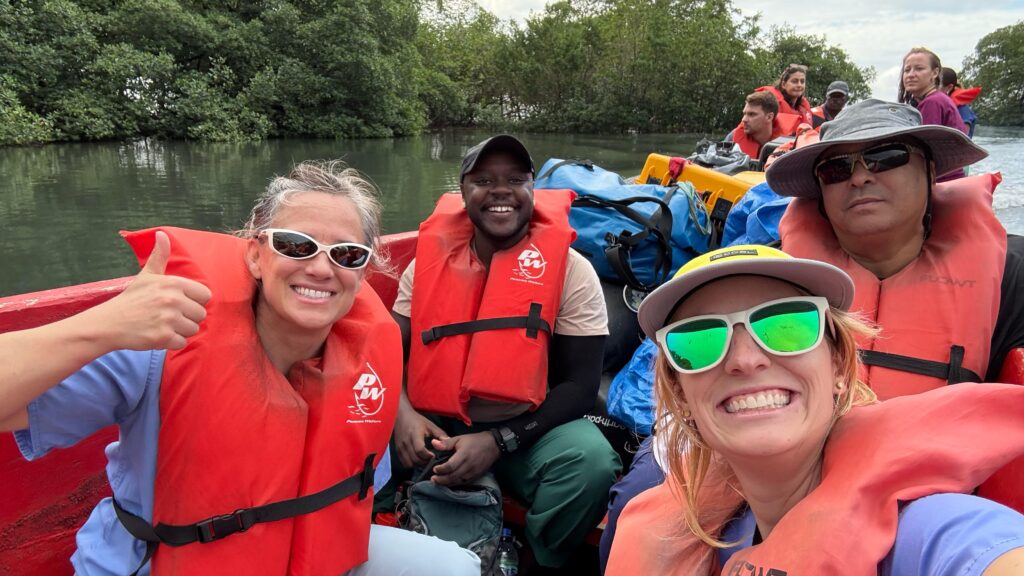

Her leadership will strengthen one of the program’s most impactful concentrations, preparing PAs for roles in emergency response, disaster preparedness, global health, and humanitarian medicine.
As the new program director for the Doctor of Executive Leadership, Reina is already anticipating the future impact of this degree and its graduates.
“I don’t see the Doctor of Executive Leadership being a replacement for other doctoral degrees,” she said. “I think it provides the public, our community, an opportunity to value their experience, knowledge, and their excitement for lifelong learning while earning a doctoral degree.”
Reina sees wide-reaching potential in the DEL, a program initially designed to meet the leadership development needs of healthcare providers and administrators, but with the potential to meet the needs of leaders from multiple disciplines and professions.
“I saw a lot of potential within the program,” she said. “There are leaders everywhere, not just in healthcare.”